Major grants for mid career researchers

Villum Foundation is awarding a total of DKK 162 million to nine researchers who have already made their mark internationally, but for whom an extra lift can be decisive in reaching the highest level. The support gives them the opportunity to pursue ideas with the potential to advance the frontiers of science.
A boost can make a difference
With the programme Villum Ascending Investigator, Villum Foundation helps ensure that targeted opportunities also exist at the mid-career stage.
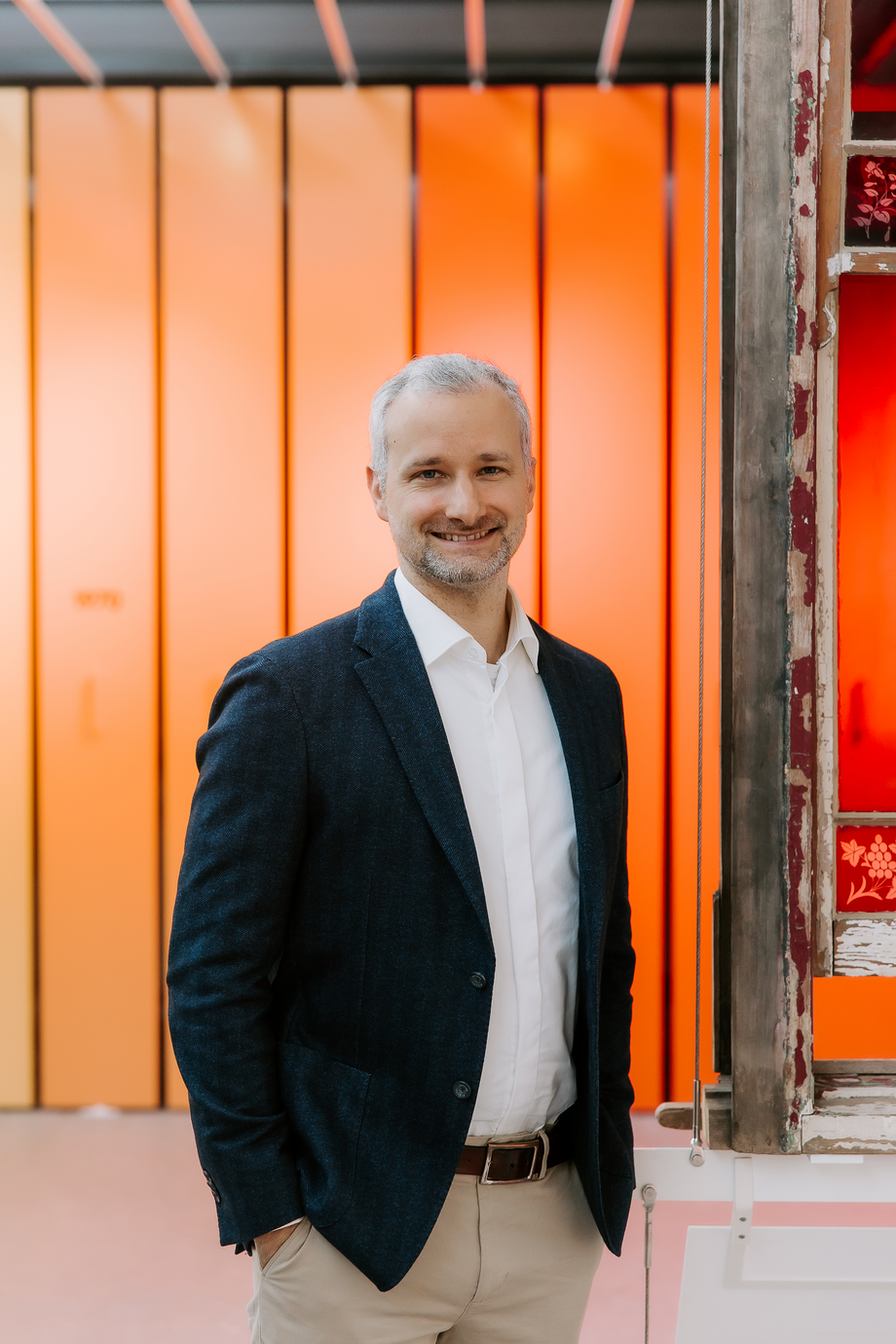
“As a philanthropic foundation, we work to strengthen and sustain a strong international research environment in Denmark. For many years, we have supported both early-career and senior researchers. We now also support those in the middle of their careers – researchers who are well on their way to establishing themselves internationally but need support to take the next step,” says Chief Scientific Officer at Villum Foundation, Thomas Bjørnholm.
Addressing scientific challenges
The first nine grantees are selected from a strong field of researchers in the natural and technical sciences. What their projects share is that they seek answers to fundamental questions where our knowledge is still limited. Some of the projects also speak to major challenges of our time.
As an example, one of the grant recipients, Jane Wittrup Agger from the Technical University of Denmark, studies how fungal enzymes can help break down lignin. Lignin is the substance that gives plants their strength and structure. It is one of the world’s largest untapped carbon resources, but also one of the most resistant to breaking apart.
“If we learn how to ‘open’ lignin correctly, we gain access to biobased building blocks that could potentially replace carbon from fossil sources such as oil in the materials of the future. The grant allows me to go deeper into the mechanisms that regulate lignin degradation in fungi and, in doing so, draw inspiration from nature for how we can best utilize lignin as a resource. I hope this can help pave the way for more sustainable chemical processes as we work towards bio-based materials,“ says Jane Wittrup Agger.
Million years old proteins hidden in fossils
In another project, Enrico Cappellini at the University of Copenhagen reaches millions of years back in time. He has developed a method to retrieve extremely ancient protein fragments still carrying genetic information that can offer a rare glimpse into some of the most obscure chapters of mammalian, and in particular human, evolution. He is now advancing the technology to reach even further back in the fossil record.
Knowledge shapes tomorrow’s solutions
The Villum Ascending Investigator Programme builds on Villum Foundation’s long tradition of supporting excellent researchers with strong ideas.
“Research is an important key to creating the solutions society needs. With this initiative, Villum Foundation adds another layer to its ambition of strengthening the quality of research in the natural and technical sciences,” says Thomas Bjørnholm.
- Focus on supporting excellent mid‑career researchers
- Provides time and space to explore ideas that require long-term perspectives and advanced expertise
- In 2026, nine researchers receive support for projects and research groups with international potential. The projects range from fundamental questions about the origin of the Universe and life to new knowledge underpinning more sustainable materials and secure digital technologies
This year's recipients
Professor, DTU Bioengineering, Technical University of Denmark
PROTÆCT: Precision Regulation Of Toxin Activity through Environmentally-Controlled Targeting
Grant: DKK 18,2 million
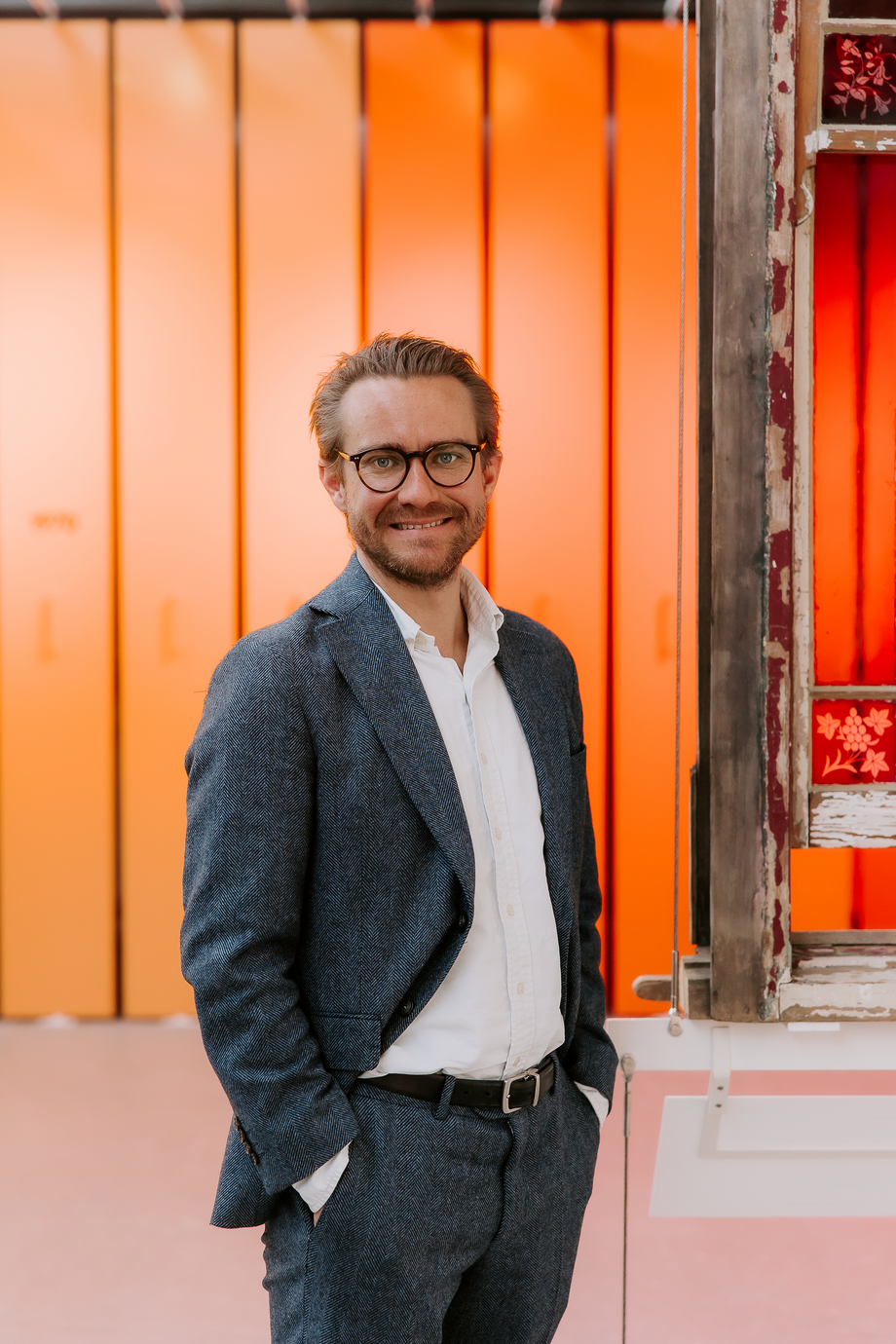
Professor, DTU Electro, Technical University of Denmark
Hypersonic Nanomechanics - HYPER
Grant: DKK 18,2 million
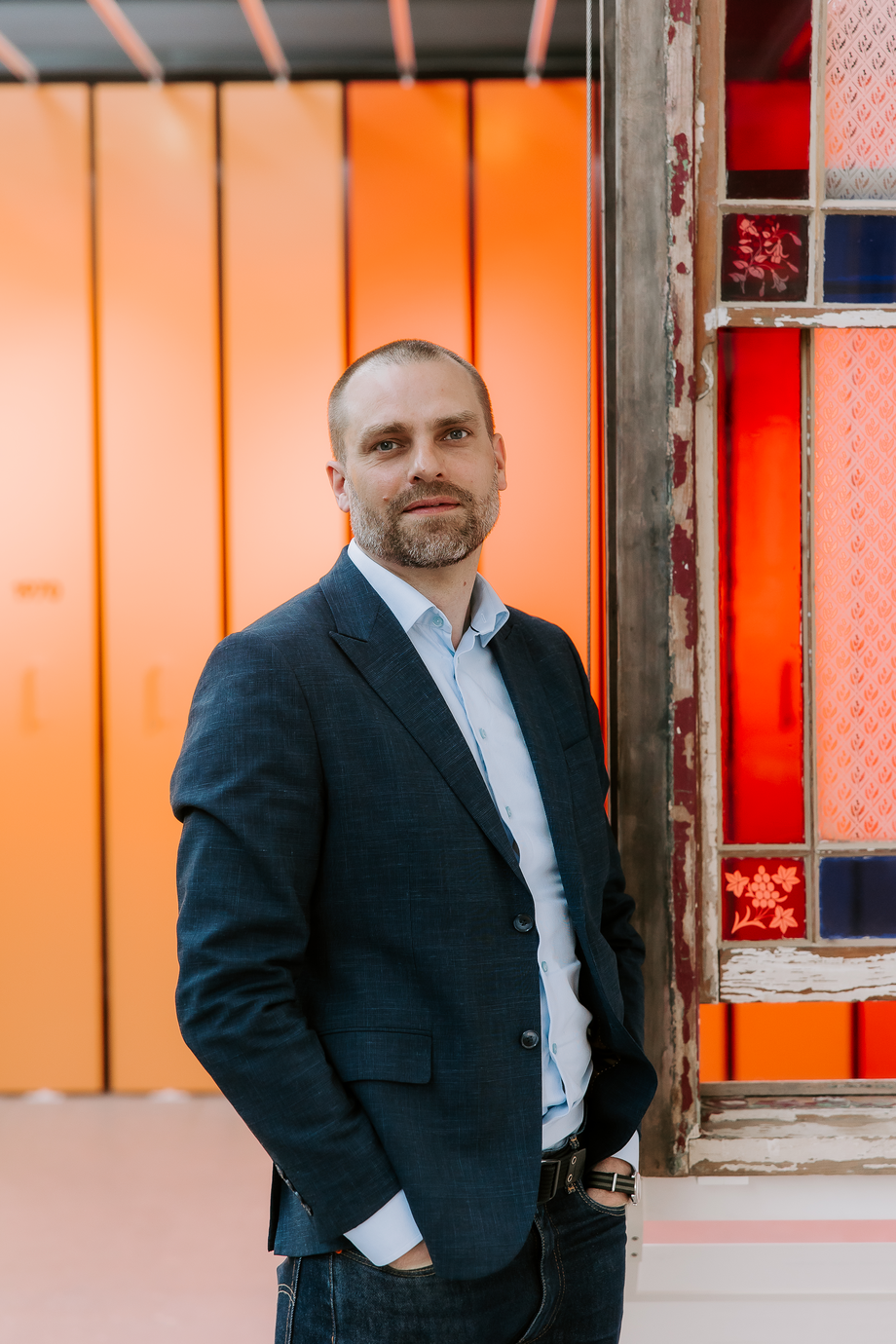
Professor, Department of Chemistry, Aarhus University
Artificial molecular intelligence in synthetic cells
Grant: DKK 18,15 million
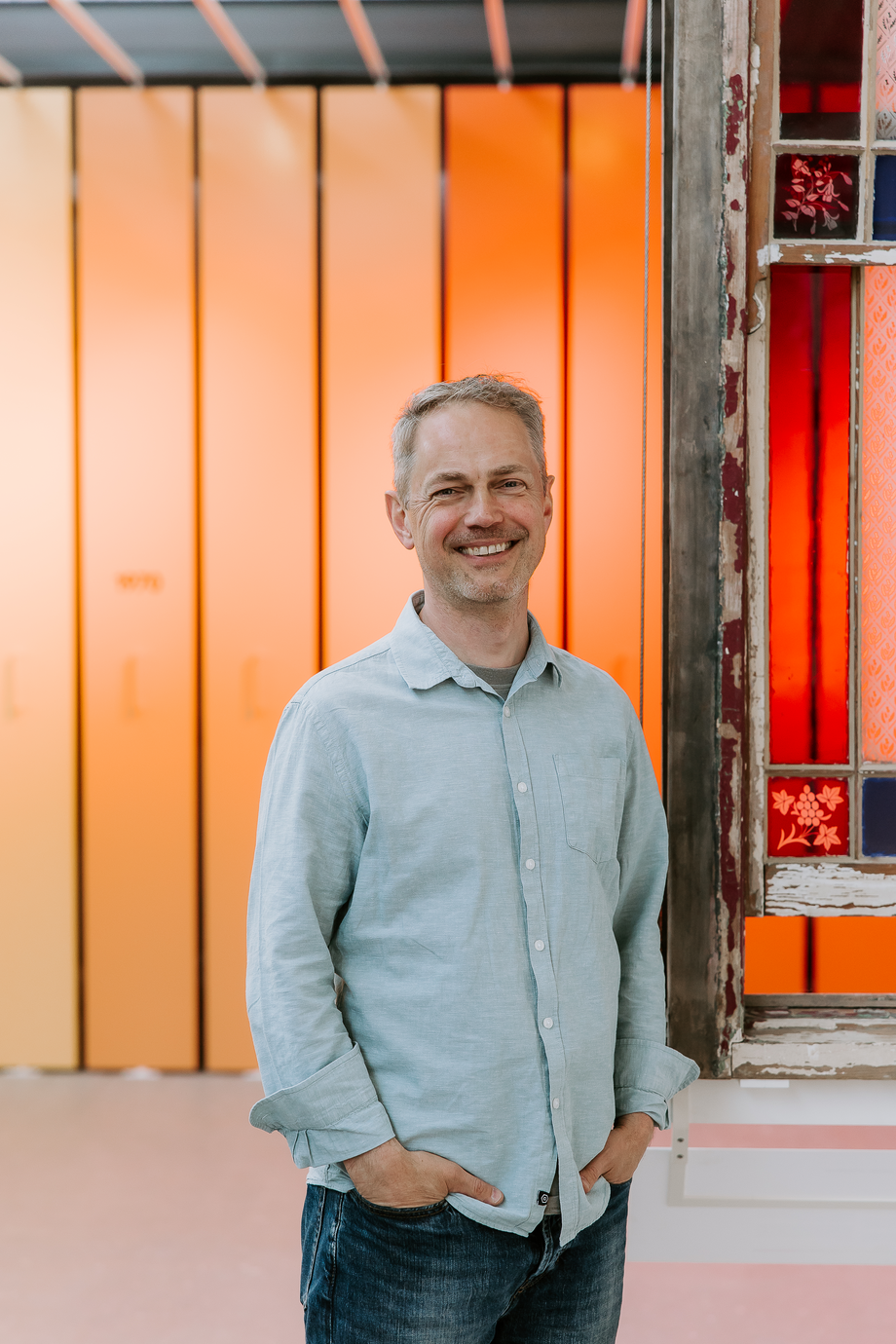
Professor, Globe Institute, University of Copenhagen
Palaeoproteomic exploration of mammalian evolution over the last 60 million years
Grant: DKK 18,2 million
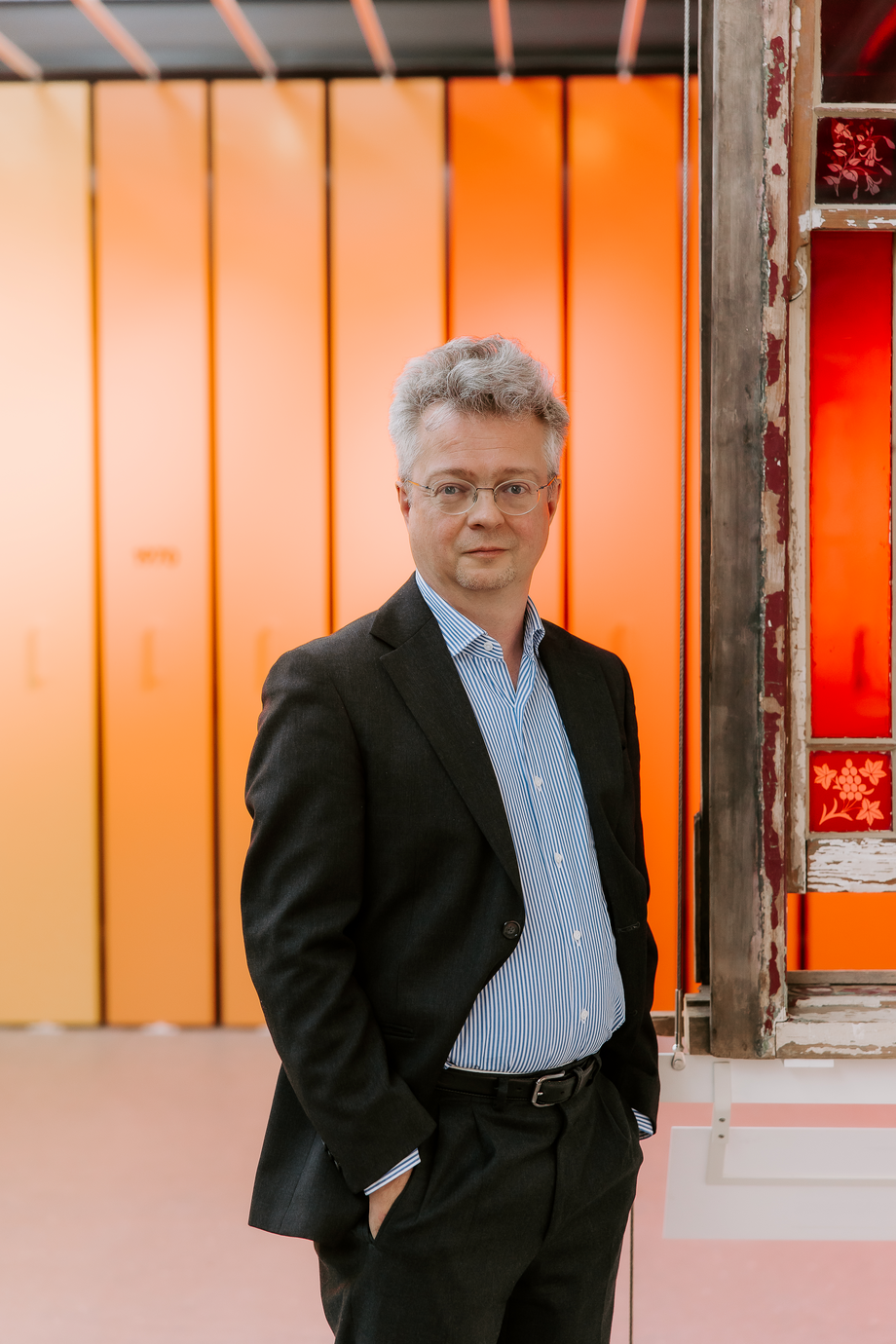
Professor, Niels Bohr Institute, University of Copenhagen
Discovering the Unknown Sky
Grant: DKK 18,2 million
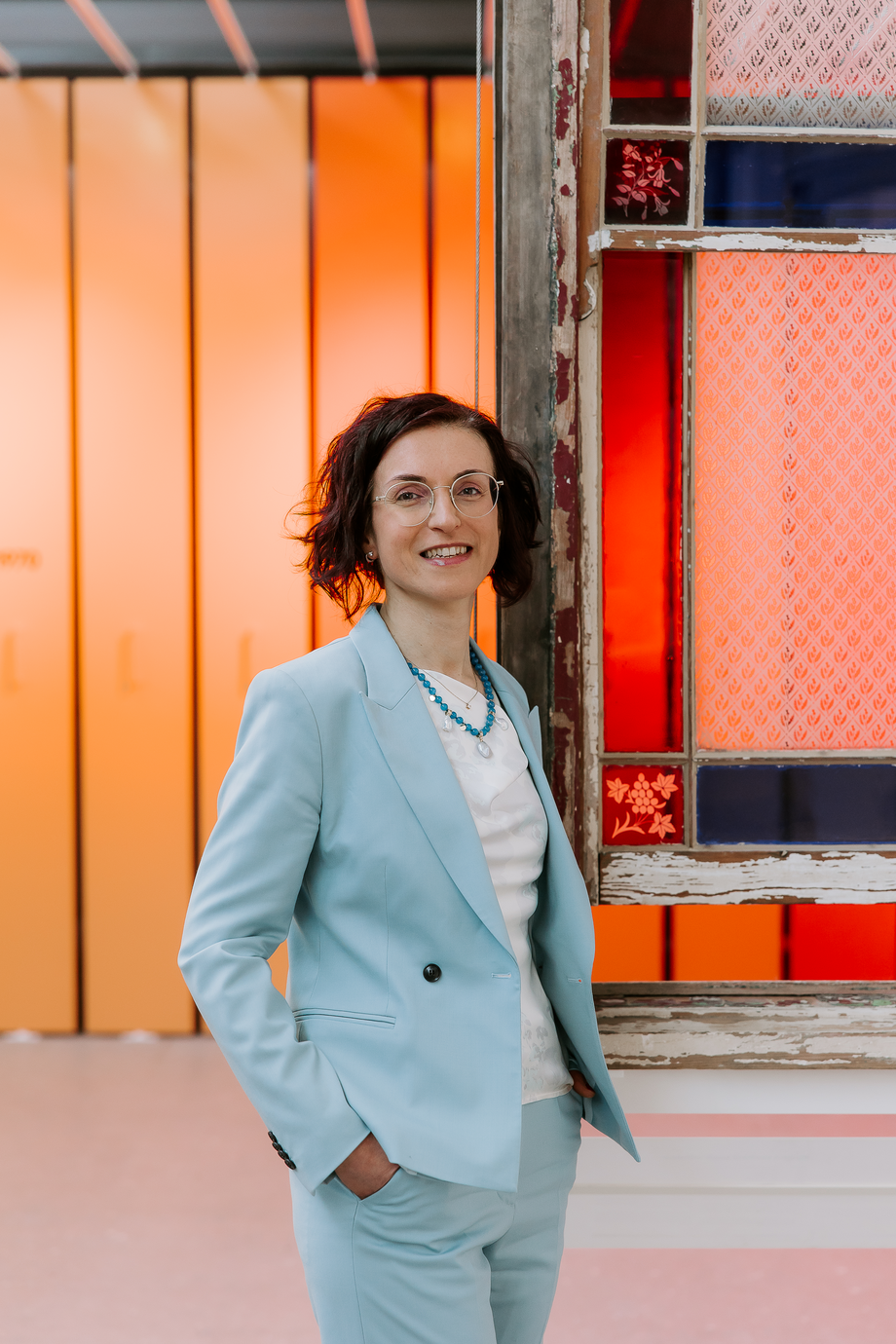
Professor, Department of Computer Science, Aarhus University
SPADE: Secure Privacy-preserving Analytics in Distributed Environments
Grant: DKK 18,1 million
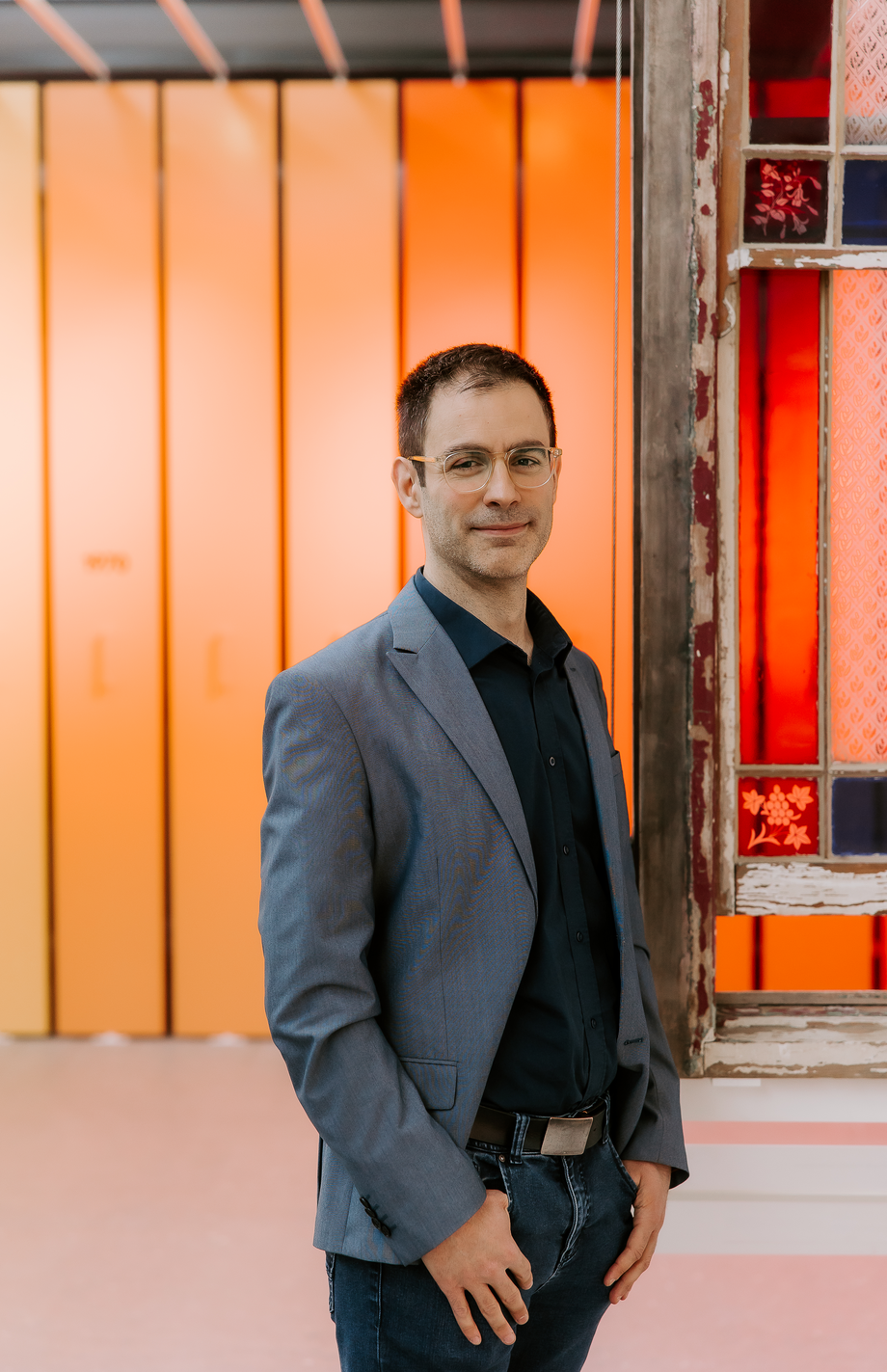
Associate Professor, DTU Bioengineering, Technical University of Denmark
Enzymatic lignin transformation and engineering
Grant: DKK 18,2 million
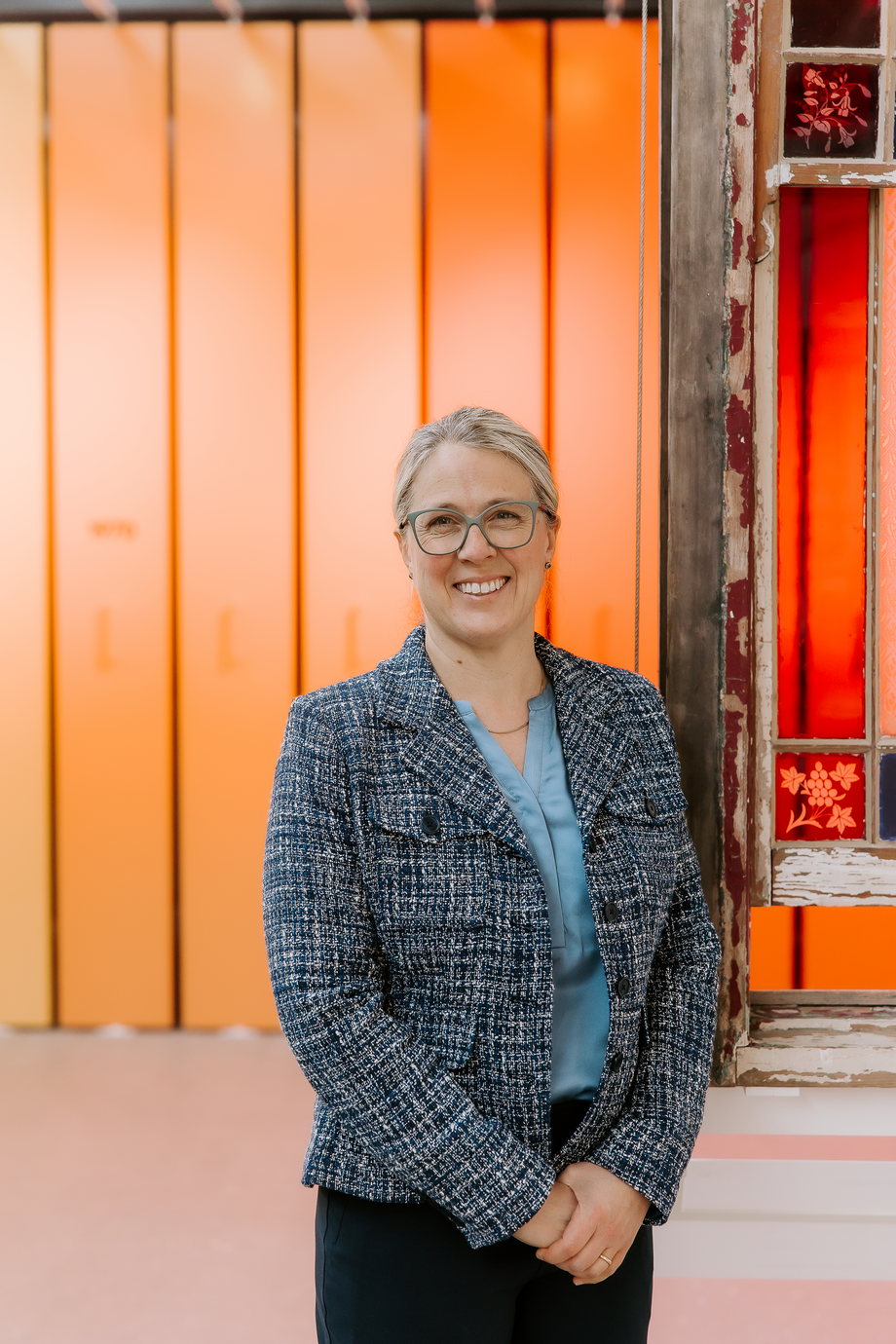
Associate Professor, Department of Physics and Astronomy, Aarhus University
Ultrafast orbitronics in planar quantum materials
Grant: DKK 18,2 million
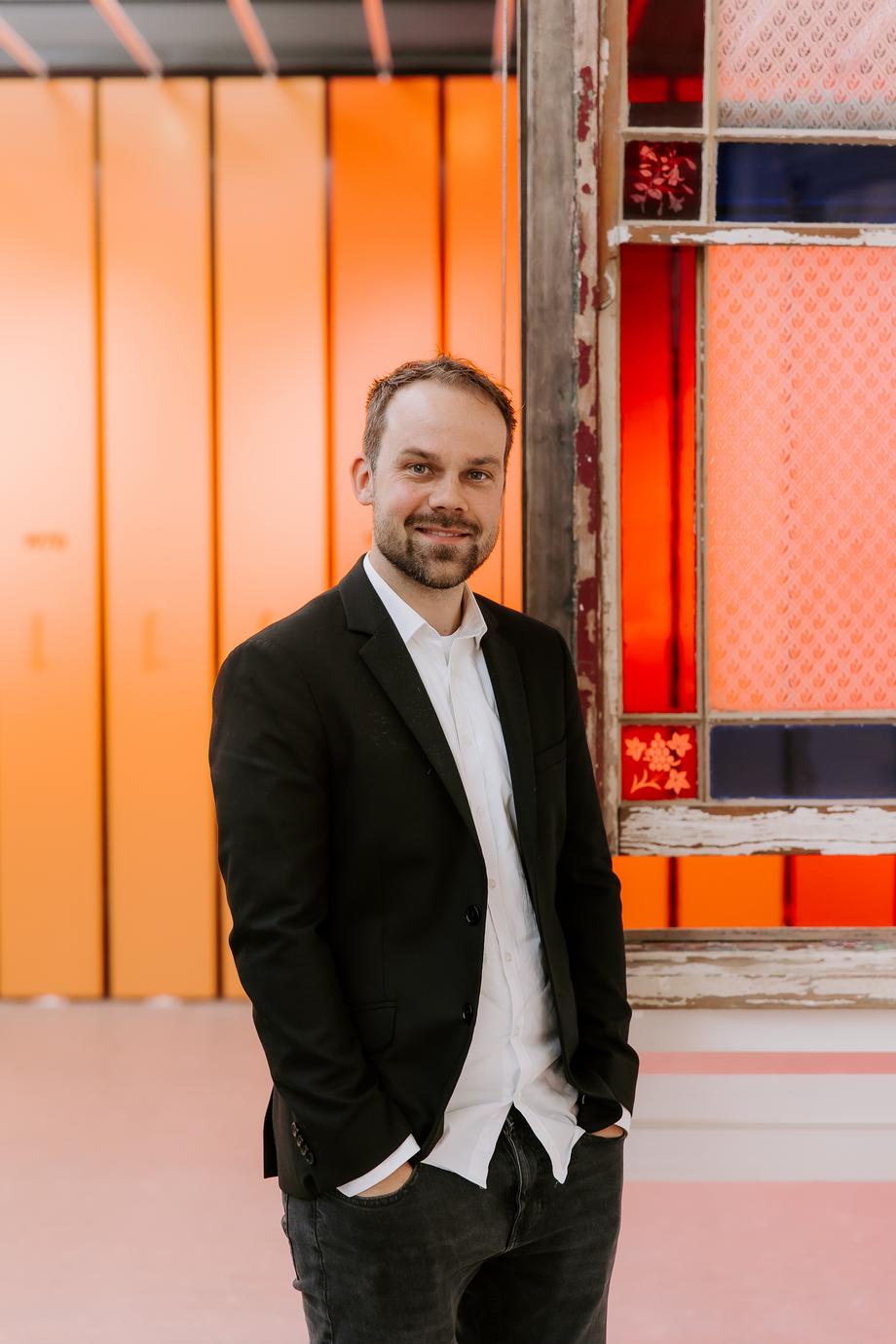
Associate Professor, Department of Mathematics and Computer Science, University of Southern Denmark
The Quantum Geometry of Dynamical Systems
Grant: DKK 18,2 million