Villum Foundation supports science and technology education with DKK 30m

Although the course Science and Technology is young pupils’ gateway to the natural sciences, both researchers and educators describe it as “a neglected subject”. Many schools lack appropriate facilities and equipment, and 48% of teachers do not have the subject-specific qualifications needed to teach the subject. This is highlighted in the 2025 report “Mapping science and technology education in Denmark.”
Villum Foundation is now addressing some of these challenges by awarding a total of DKK 30m to nine municipalities across Denmark. This is the second time the foundation has supported the subject with DKK 30m. Once again, the funding will be used to improve the physical environment for Science and Technology teaching and strengthen teachers’ competencies and professional communities.
Can make a difference in schools
Ole Laursen, Grant are Director at Villum Foundation, looks forward to seeing the funding make a difference in schools:
“Science and Technology is an important subject that lays the foundation for children’s scientific literacy and understanding of the world. It equips pupils with the knowledge and skills they need to understand, navigate, and find solutions in a complex world. Through this grant, we want to strengthen a subject that faces challenges in many places. The aim is to give teachers better opportunities to build strong professional environments around teaching and to strengthen pupils’ understanding of the relationship between nature, technology and society.”
Boost for specialist classrooms, equipment and teacher competencies
This time, the municipalities of Lolland, Rødovre, Aarhus, Brønderslev, Hvidovre, Jammerbugt, Sorø, Hjørring and Faxe have received grants from the foundation to strengthen the framework for Science and Technology teaching through a real-world, inquiry-based approach.
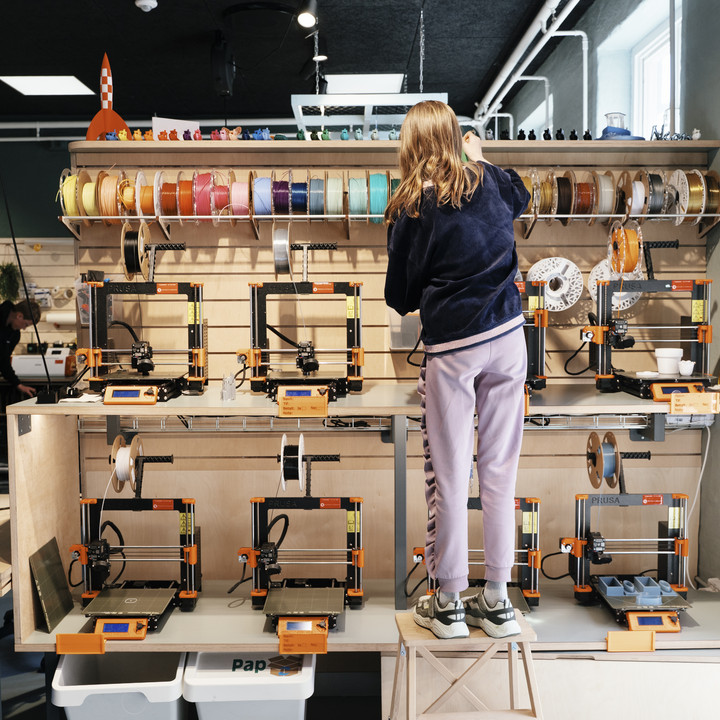
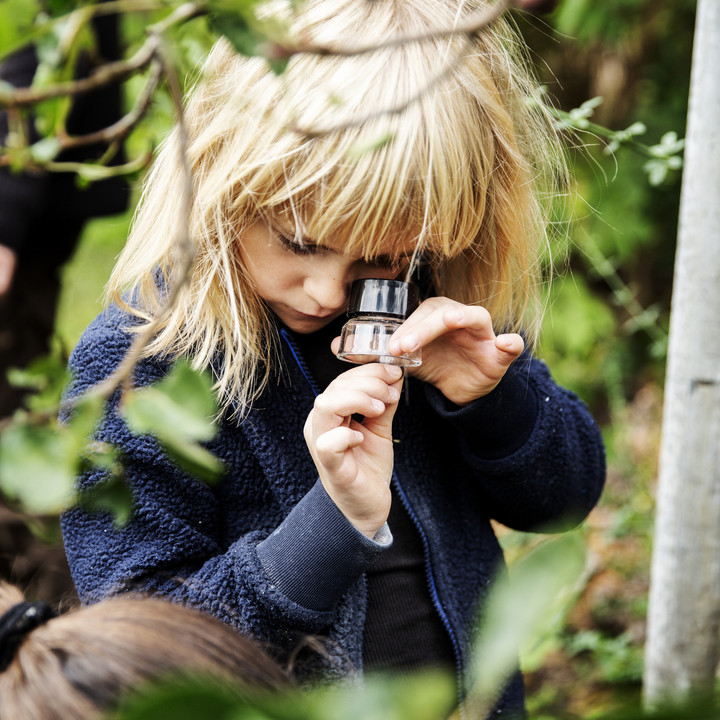
The funding will be used to establish or upgrade specialist classrooms, purchase new equipment and materials, develop outdoor learning environments, provide continuing professional development for teachers, and support professional learning communities.
Ole Laursen explains:
“What the projects have in common is that they include initiatives that can continue beyond the project period. When teachers strengthen their competencies and schools build strong professional environments, it benefits not only current pupils but also the many children who will encounter the subject in the years to come.”
Excited about the opportunities
In Sorø, the Science and Technology teaching will receive a boost at Frederiksberg School and Pedersborg School, where the aim is to make the subject more hands-on through new learning environments, improved materials and greater collaboration between teachers.
Britta Thomsen, headteacher at Frederiksberg School in Sorø, is delighted by the opportunities the grant provides:
“For many years, we have wanted to provide better conditions for Science andTtechnology because it truly is the school’s neglected subject. Today, our facilities resemble ordinary classrooms and do not reflect the inquiry-based, practical teaching that the subject actually requires. With this grant, we can both upgrade our specialist classrooms and develop teaching programmes that make full use of the new opportunities the facilities provide. It feels like winning the lottery.”
In total, almost 13,000 pupils and 300 science and technology teachers will benefit from the funding.
- Villum Foundation is awarding a total of DKK 30m to nine municipalities: Lolland, Rødovre, Aarhus, Brønderslev, Hvidovre, Jammerbugt, Sorø, Hjørring and Faxe.
- The grants are aimed at improving the physical framework for science and technology education, strengthening teacher competencies and developing subject-specific educational environments within the municipalities.
- Almost 13,000 pupils and 300 science and technology teachers will benefit from the funding.
- This is the second time Villum Foundation has awarded approximately DKK 30m to strengthen science and technology education.
- Throughout its more than 30-year history in Danish primary and lower secondary schools, Science and Technology has faced persistent challenges relating to teacher competencies, the subject’s position within schools, continuing professional development and its overall status.
- Nearly half of all Science and Technology lessons are taught by teachers without the necessary subject-specific competencies.
- At many schools, teaching does not take place in specialist classrooms designed for science and technology education.
Source: Mapping science and technology education in Denmark, 2025.
A grant of DKK 4,886,113 has been awarded to the project, which runs from 2027 to 2030.
Hvidovre Municipality will strengthen Science and Technology teaching across seven schools through improved physical learning environments and professional development for teachers and science coordinators.
Hjørring Municipality will develop Science and Technology teaching across four municipal schools and two independent schools through more practice-oriented, varied and engaging learning environments.
Lolland Municipality will establish new Science and Technology facilities at Byskolen in Nakskov to create inquiry-based, engaging and practice-oriented teaching.
Sorø Municipality will implement a joint municipal initiative to strengthen Science and Technology teaching at Frederiksberg School and Pedersborg School. The project includes the development of a shared local curriculum, strengthening collaboration among teachers and the establishment of modern learning environments that support experimental and inquiry-based teaching.
Faxe Municipality will develop and strengthen the Science and Technology subject through a coordinated municipal initiative across the municipality’s schools.
Jammerbugt Municipality will strengthen Science and Technology teaching by establishing and developing Science and Technology classrooms at six schools across seven teaching sites.
Aarhus Municipality will develop Science and Technology teaching at four public schools through a comprehensive initiative that includes improvements to physical learning environments, new equipment, professional development and strengthened professional communities.