Supporting youth engagement and skills development in France and Italy

Together, the initiatives will reach thousands of young people through hands-on learning, community engagement, and strong partnerships between schools, civil society, and local authorities.
Learning while laying the bricks
Grigny, one of France’s most economically disadvantaged cities, has long struggled with high dropout rates. To address this, the Learning Planet Institute is launching an ambitious “Educational Success Lab” to help young people aged 11–18 thrive in school and beyond. The project combines hands-on learning, storytelling, and the creation of a new multicultural learning space that young people will help design and partly govern themselves.
“Young people in Grigny have enormous potential but too often lack opportunities to realise it. With this project, we are creating a space where they can become active problem-solvers in their own communities – combining science, creativity, and civic engagement,” says François Taddei, Co-founder and President of the Learning Planet Institute.
The project encompasses an action research approach, meaning that new ideas are tested in practice while being closely studied to understand what works and why. Alongside this, the initiative will train educators and pilot new ways to engage students at risk of dropping out. The goal is not only to improve outcomes locally, but also to generate knowledge that can inform education policy more broadly.
Youth driving local environmental solutions
In Italy, the LEARN2ACT project led by CESVI Fondazione will engage 1,600 students from disadvantaged urban areas in developing solutions to local environmental challenges.
Through interactive workshops on sustainability and life skills and student-led initiatives, young people will strengthen their environmental competencies as well as their ability to handle challenges and succeed in learning.
“We see young people not only as learners, but as drivers of change. By supporting their ideas and giving them the tools to act, we strengthen both their resilience and their ability to contribute to more sustainable communities,” says Roberto Vignola, CESVI Foundation Deputy General Manager.
Part of a broader European vision
The six projects have received support under Villum Foundation’s grant area European youth and education and reflect the foundation’s commitment to equipping children and young people with the skills, knowledge, and confidence to shape a better and more enlightened future.
“Our ambition is to empower young people across Europe to engage actively in society and access a sustainable labour market. We support projects that not only create tangible local impact, but also generate knowledge that can inspire and guide others,” says Grant Area Director Nicolas Schunck.
Since 2017, Villum Foundation has granted over DKK 1 billion (approximately EUR 134 million) to social and educational projects across Europe. In even years, the foundation supports projects in France and Italy, while in odd years, it funds projects in Poland, Czechia, Slovakia and Hungary.
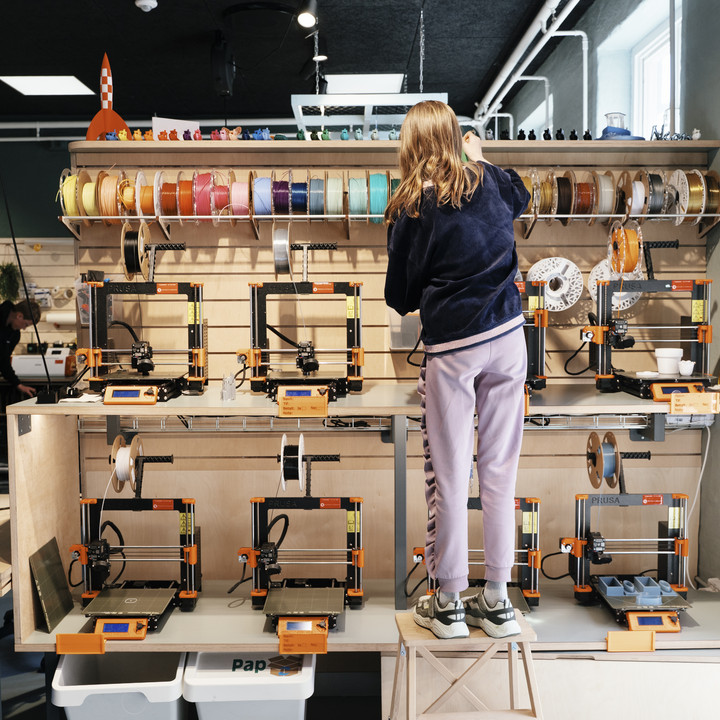
The aim is to strengthen learning outcomes and civic engagement among 11-18-year olds in Grigny, a city marked by high poverty and dropout rates. The project implements three core strands: project-based learning, where young people design solutions to local social and environmental issues using scientific methods and makerspaces; civic storytelling, which builds media literacy through podcasts and articles; and co-design of a new multicultural learning facility with a youth governance structure. A transition programme will test new engagement models for at-risk students, and an educator programme will train 150 staff in facilitation, problem-based learning, and green and digital competences. Action research, carried out with the city of Grigny and national partners, will inform local planning and contribute to broader policy learning. Expected results include improved engagement, smoother transitions, educator upskilling, and youth-produced projects and recommendations.
Learning Planet Institute, EUR 1,0 million, France
The project seeks to re-engage young people aged 14-18 at risk of school dropout in the Lille Metropolitan Area by promoting active citizenship and social integration. Activities include the production of digital projects that can be used by local authorities and associations, with a particular focus on the ecological transition. These productions aim to strengthen participants’ sense of citizenship and to encourage a realistic life and career plan. The initiative uses fablabs (fabrication laboratories) and mobile workshops to develop technical and transversal skills such as automated systems, website creation, and project management. Young participants will receive personalised support to build realistic life projects. Expected results include reduced dropout rates, improved employability, and strengthened civic engagement.
FCP Prévention Culture Formation, EUR 0,8 million, France
The project addresses educational poverty and social vulnerability in Palermo’s Albergheria district through integrated interventions combining Science, Technology, Engineering, and Mathematics (STEM) education, environmental awareness, and urban regeneration. Activities include strengthening teaching and learning practices in STEM and sustainability in four local schools, creating green community spaces, and cooperating within social and cultural events in the district, such as the Ballarò Buskers Festival, to foster inclusion. In addition, targeted teacher training and psychosocial support for students complement these actions. Expected results include improved STEM skills for 1000 students increased student engagement, regeneration of three public areas, and enhanced community engagement.
Per Esempio ETS, EUR 1,2 million, Italy
The project seeks to enhance educational resilience and environmental competencies among 1600 secondary school students aged 11-17 in disadvantaged urban areas of Italy. Activities include interactive workshops on sustainability and life skills, and student-led environmental projects. These include a call for ideas where young people identify local environmental challenges and develop solutions in cooperation with local partners. Subsequently, knowledge and insights are shared at peer-to-peer events. The methodology combines cooperative learning and emotional education to foster engagement and empathy. Partners will provide technical and financial support for local initiatives, complemented by a methodological toolkit and eco-leadership starter kits. Expected results include improved educational resilience, active citizenship, and strengthened transversal skills.
CESVI Fondazione ETS, EUR 0,8 million, Italy
The aim is to transform schools and communities in Calabria into inclusive learning ecosystems by integrating Social-Emotional Learning (SEL) across school and community settings. It addresses educational disadvantage, low participation, and early disengagement through professional capacity building and student-centred learning pathways. Key activities include training and collaborative design processes for 40 teachers and educators, the integration of SEL into teaching and assessment, classroom activities, and structured after-school initiatives such as creative arts, digital citizenship, tutoring, and green economy-related orientation. At community level, seven municipal hubs will connect schools, families, associations, and authorities through formal agreements. Expected results include strengthened SEL competences and school engagement among 150 students aged 11-16, as well as increased professional capacity among staff.
Associazione Volontari Dokita ONLUS, EUR 0,7 million, Italy
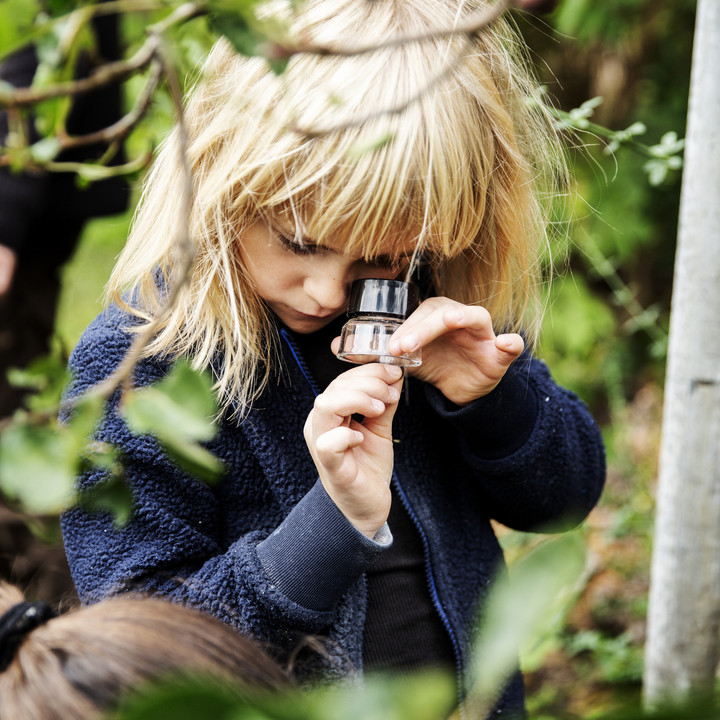
The project will empower 1900 young people across France and Italy to become active changemakers in their schools and communities. Working with 22 schools and 98 teachers, the project will strengthen sustainability and civic participation through hands-on, experiential learning. Young people will investigate environmental challenges in their schools and neighbourhoods, develop and implement practical improvement actions, and engage directly with municipalities, NGOs and community partners through site visits, structured dialogue and job-shadowing opportunities. These experiences will help them understand local governance, present proposals for real-world community challenges, and build leadership, collaboration, communication and digital skills. Supported by teacher training and cross-country collaboration, CYCC will increase young people’s civic confidence, broaden their understanding of green and public-interest career pathways, and generate practical models that can be shared and scaled across Europe.
Foundation for Environmental Education, EUR 0,8 million, France and Italy