Støtte til unges samfundskompetencer i Frankrig og Italien

Gennem praktisk læring, lokale fællesskaber og samarbejder mellem skoler, civilsamfund og myndigheder vil de seks projekter tilsammen komme tusindvis af unge til gavn.
Læring i praksis
Grigny er en af Frankrigs økonomisk mest udsatte byer, som i mange år har kæmpet med høje frafaldstal på uddannelser. For at løse det problem, lancerer den franske organisation Learning Planet Institute nu et ambitiøst “Educational Success Lab”, der skal hjælpe unge i alderen 11–18 år med at klare sig bedre, både i skolen og i livet generelt.
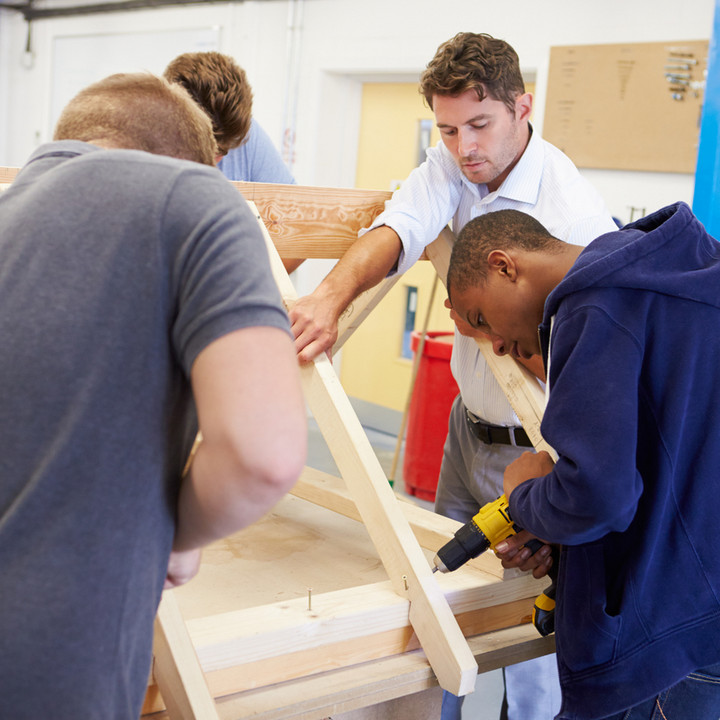
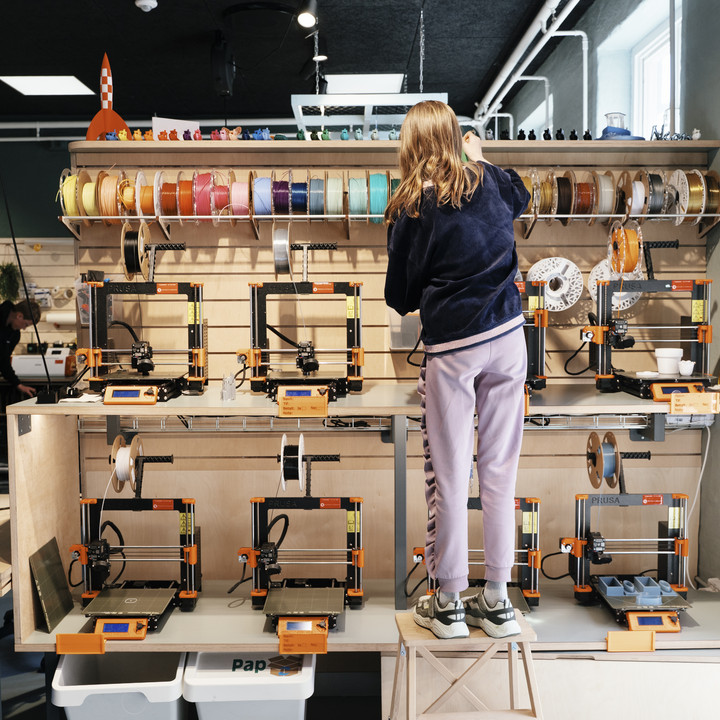
Projektet kombinerer hands-on læring, storytelling og etableringen af et nyt multikulturelt læringsrum, som de unge selv skal være med til at designe og styre.
“Unge i Grigny har masser af potentiale, men mangler ofte mulighed for at folde det ud. Med projektet skaber vi et rum, hvor de kan medvirke som aktive problemløsere i deres egne lokalsamfund – baseret på en kombination af naturvidenskab, kreativitet og samfundsengagement,” siger François Taddei, medstifter og direktør i Learning Planet Institute.
Projektet arbejder med en tilgang, hvor nye idéer bliver afprøvet i praksis, samtidig med at man undersøger, hvad der virker og hvorfor. Det inkluderer desuden uddannelse af undervisere og test af nye måder, hvorpå skolerne kan fastholde frafaldstruede elever. Målet er at skabe resultater lokalt, men også at udvikle viden, der kan være med til at inspirere uddannelsespolitik mere bredt.
Lokale miljøløsninger drevet af unge
I Italien vil LEARN2ACT-projektet, ledet af CESVI Fondazione, involvere 1.600 elever fra udsatte byområder i at udvikle løsninger på lokale miljøudfordringer.
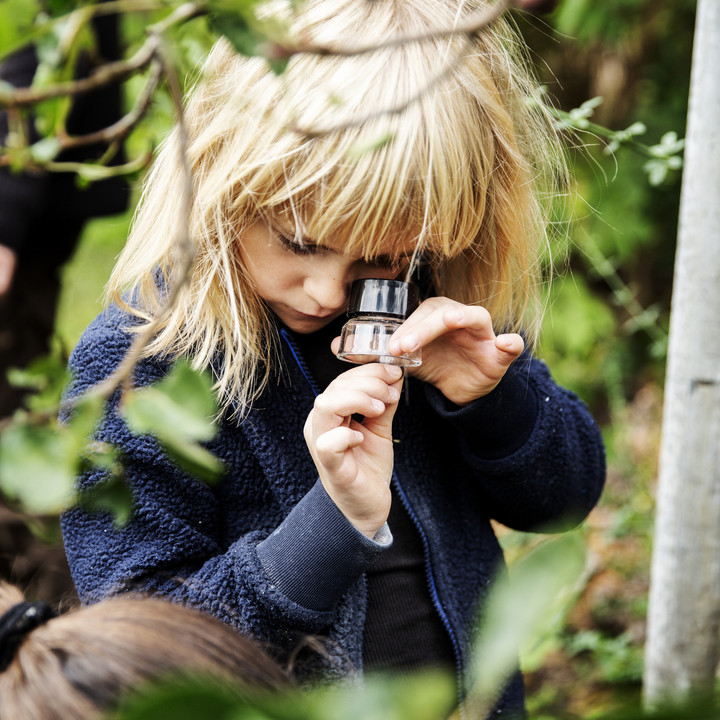
Gennem interaktive workshops om bæredygtighed og livskompetencer får de unge både styrket deres miljøfaglige viden og deres evne til at håndtere nogle af de udfordringer, der kan stå i vejen for, at de gennemfører en uddannelse.
“Vi ser ikke bare eleverne som passive modtagere af læring, men som katalysatorer for forandring. Når vi støtter deres idéer og giver dem redskaber til at handle, styrker vi deres robusthed og evne til at bidrage til et mere bæredygtigt lokalsamfund,” siger Roberto Vignola, der er vicedirektør i CESVI Foundation.
Del af en europæisk ambition
De seks projekter har fået støtte under Villum Fondens bevillingsområde European youth and education og afspejler fondens ambition om at klæde børn og unge på med de kompetencer, den viden og den motivation, der skal til for at tage del i en mere oplyst fremtid.
“Vores ambition er at styrke unges mulighed for at engagere sig aktivt i samfundet og få adgang til et arbejdsmarked, hvor bæredygtighed er i stigende fokus. Vi støtter projekter, der både
skaber konkret lokal effekt og producerer viden, som andre kan lade sig inspirere af,” siger Nicolas Schunck, programchef i Villum Fonden .
Siden 2017 har Villum Fonden uddelt over 1 mia. kr. til sociale- og uddannelsesmæssige formål i Europa. I lige år støtter fonden projekter i Frankrig og Italien, mens midlerne i ulige år går til projekter i Polen, Tjekkiet, Slovakiet og Ungarn.
Læs mere om projekterne her (kun på engelsk):
The aim is to strengthen learning outcomes and civic engagement among 11-18-year olds in Grigny, a city marked by high poverty and dropout rates. The project implements three core strands: project-based learning, where young people design solutions to local social and environmental issues using scientific methods and makerspaces; civic storytelling, which builds media literacy through podcasts and articles; and co-design of a new multicultural learning facility with a youth governance structure. A transition programme will test new engagement models for at-risk students, and an educator programme will train 150 staff in facilitation, problem-based learning, and green and digital competences. Action research, carried out with the city of Grigny and national partners, will inform local planning and contribute to broader policy learning. Expected results include improved engagement, smoother transitions, educator upskilling, and youth-produced projects and recommendations.
Learning Planet Institute, EUR 1,0 million, France
The project seeks to re-engage young people aged 14-18 at risk of school dropout in the Lille Metropolitan Area by promoting active citizenship and social integration. Activities include the production of digital projects that can be used by local authorities and associations, with a particular focus on the ecological transition. These productions aim to strengthen participants’ sense of citizenship and to encourage a realistic life and career plan. The initiative uses fablabs (fabrication laboratories) and mobile workshops to develop technical and transversal skills such as automated systems, website creation, and project management. Young participants will receive personalised support to build realistic life projects. Expected results include reduced dropout rates, improved employability, and strengthened civic engagement.
FCP Prévention Culture Formation, EUR 0,8 million, France
The project addresses educational poverty and social vulnerability in Palermo’s Albergheria district through integrated interventions combining Science, Technology, Engineering, and Mathematics (STEM) education, environmental awareness, and urban regeneration. Activities include strengthening teaching and learning practices in STEM and sustainability in four local schools, creating green community spaces, and cooperating within social and cultural events in the district, such as the Ballarò Buskers Festival, to foster inclusion. In addition, targeted teacher training and psychosocial support for students complement these actions. Expected results include improved STEM skills for 1000 students increased student engagement, regeneration of three public areas, and enhanced community engagement.
Per Esempio ETS, EUR 1,2 million, Italy
The project seeks to enhance educational resilience and environmental competencies among 1600 secondary school students aged 11-17 in disadvantaged urban areas of Italy. Activities include interactive workshops on sustainability and life skills, and student-led environmental projects. These include a call for ideas where young people identify local environmental challenges and develop solutions in cooperation with local partners. Subsequently, knowledge and insights are shared at peer-to-peer events. The methodology combines cooperative learning and emotional education to foster engagement and empathy. Partners will provide technical and financial support for local initiatives, complemented by a methodological toolkit and eco-leadership starter kits. Expected results include improved educational resilience, active citizenship, and strengthened transversal skills.
CESVI Fondazione ETS, EUR 0,8 million, Italy
The aim is to transform schools and communities in Calabria into inclusive learning ecosystems by integrating Social-Emotional Learning (SEL) across school and community settings. It addresses educational disadvantage, low participation, and early disengagement through professional capacity building and student-centred learning pathways. Key activities include training and collaborative design processes for 40 teachers and educators, the integration of SEL into teaching and assessment, classroom activities, and structured after-school initiatives such as creative arts, digital citizenship, tutoring, and green economy-related orientation. At community level, seven municipal hubs will connect schools, families, associations, and authorities through formal agreements. Expected results include strengthened SEL competences and school engagement among 150 students aged 11-16, as well as increased professional capacity among staff.
Associazione Volontari Dokita ONLUS, EUR 0,7 million, Italy
The project will empower 1900 young people across France and Italy to become active changemakers in their schools and communities. Working with 22 schools and 98 teachers, the project will strengthen sustainability and civic participation through hands-on, experiential learning. Young people will investigate environmental challenges in their schools and neighbourhoods, develop and implement practical improvement actions, and engage directly with municipalities, NGOs and community partners through site visits, structured dialogue and job-shadowing opportunities. These experiences will help them understand local governance, present proposals for real-world community challenges, and build leadership, collaboration, communication and digital skills. Supported by teacher training and cross-country collaboration, CYCC will increase young people’s civic confidence, broaden their understanding of green and public-interest career pathways, and generate practical models that can be shared and scaled across Europe.
Foundation for Environmental Education, EUR 0,8 million, France and Italy