More children can now take part in science activities in their free time

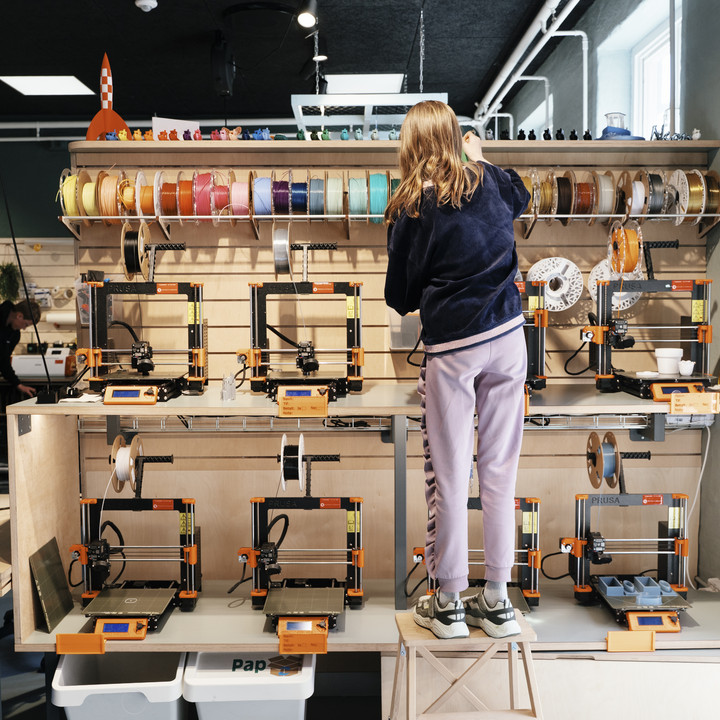
Villum Foundation has just awarded DKK 25 million to ten projects aimed at making science a natural part of children’s and young people’s leisure time. These projects offer participants the chance to build robots, develop games, experiment with artificial intelligence, or immerse themselves in fusion energy. Activities range from science in after-school clubs to engineering in the Science Club.
Science as a foundation
The grants are not only intended to create exciting leisure opportunities here and now. They are also meant to equip children and young people with the tools to understand and engage with the world they are growing up in - so they can form opinions on the many technological and scientific dilemmas that will shape the future of society.
Ole Laursen, Grant area Director at the Villum Foundation, says:
“At the Villum Foundation, we want to strengthen children’s and young people’s confidence and curiosity in science. Science and technology are rapidly shaping our society and world, and if future generations are to navigate and make informed decisions, we must give them the opportunity to understand, explore, and critically engage with this development. And besides, it’s just wildly fun and exciting to explore and discover the world through science.”
Fusion energy and IT security
Among the supported initiatives is a project from Videnskabsklubben (the Science Club) and the organisation Engineer the Future, where children in Years 7 and 8 across 65 youth centres nationwide will work with fusion energy, IT security, and precision fermentation. Precision fermentation is a method where microorganisms are programmed to produce specific ingredients - such as milk without cows or egg whites without hens - a sustainable approach to food production. Together with volunteer upper secondary students, the children will experiment, build, and develop technological solutions using the “engineering design” process. The upper secondary students will facilitate and lead the sessions over the seven-week programme.
Sarah Kirkegaard Verver, project manager at Videnskabsklubben, explains:
“When children work with fusion energy or the foods of the future through the engineering design process, they experience how science and technology can be used to solve real-world problems. It gives them an understanding of the scientific method while also boosting their curiosity, confidence, and desire to learn more -because they can see that their ideas can actually make a difference.”
Exploring the coastline
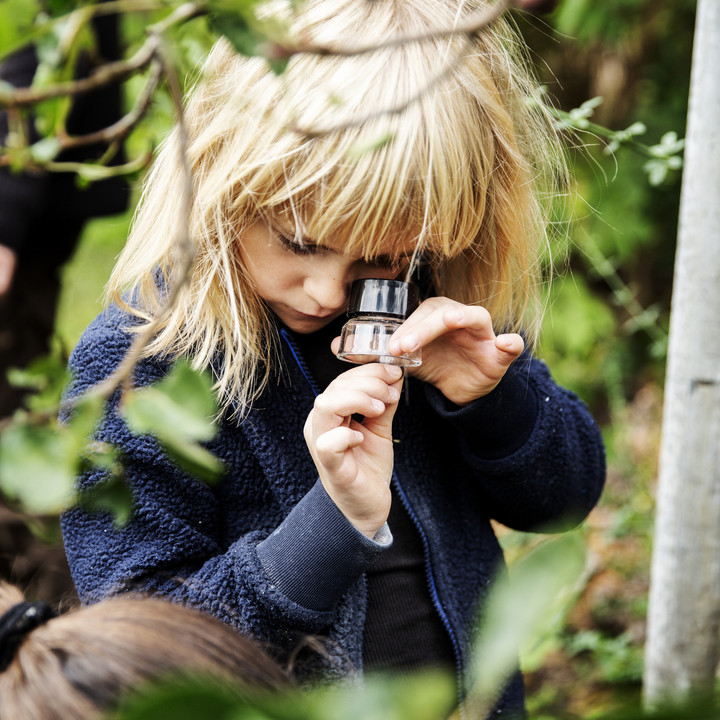
On Langeland, the project “Bål og Bølger” (Bonfires and Waves) invites young people into nature to strengthen their curiosity and scientific understanding. Through coastal walks, ecosystem investigations, water sports, campfire gatherings, and hands-on outdoor activities, the project aims to make nature a vibrant part of young people’s leisure time and social life.
“We want to give young people a deeper connection to nature, so they also experience it as a space for learning, discovery, and community. By combining scientific methods with sensory and social activities, we hope to spark a lasting interest in nature and its interconnections,” says Peter Hellerstedt Nyholm, head of section at the youth club Ungdomsskolen on Langeland.
Science should be fun
With these grants, the foundation aims to give more children and young people the chance to experience science activities in informal leisure settings - where it becomes clear that science is relevant, engaging, and even a potential career path.
“We want to give children and young people the opportunity to experience how science and technology can be both exciting and meaningful - not just in school, but also in their free time. This requires engaging communities, role models, and activities that spark curiosity and a desire for more,” Ole Laursen says.
Read more about the ten projects (in Danish only):
Børn- og Ungeforvaltningen i Odense Kommune - 4.323.616 kr.
Odense Kommune vil med projektet gøre naturvidenskab spændende og nærværende for børn i kommunens SFO’er. Gennem såkaldte ScienceMissioner – kreative og undersøgende forløb – får børn mulighed for at udforske natur og teknologi på en legende måde.
Projektet har to spor:
- Udvikling og afprøvning af ScienceMissioner sammen med børn i SFO’erne.
- Kompetenceudvikling af pædagoger, så de selv kan skabe og gennemføre science-aktiviteter i deres hverdag.
Derudover udvikles et katalog med færdige forløb og en ny metode til science i fritidspædagogisk praksis. Det hele understøtter kommunens vision om at være Verdens bedste robotby i børnehøjde.
Videnskabsklubben - 4.749.150 kr.
Videnskabsklubben vil med projektet gøre det muligt for børn og unge i Danmark at gå til ”engineering” i fritiden – altså at arbejde kreativt og problemløsende med teknologi, design og opfindelser. I samarbejde med Engineer the Future og relevante forskere udvikles tre faglige programmer under overskriften Fremtidens bæredygtige løsninger, som udrulles på 65 videnskabsklubber i hele landet.
Klubberne faciliteres af frivillige gymnasieelever, der fungerer som undervisere og rollemodeller i et præstationsfrit læringsmiljø. Programmerne er bygget op omkring engineering designprocessen, hvor børn arbejder kreativt og eksperimenterende med teknologiske løsninger på autentiske problemstillinger. Temaerne er fusionsenergi, præcisionsfermentering og IT-sikkerhed.
Projektet har to formål: at give børn fra 7. klasse mulighed for at deltage i videnskabsklubber med engineering-indhold, og at integrere engineering design-processen som ny metode i Videnskabsklubbens programportefølje.
Efter projektets afslutning forankres de tre programmer som en fast del af Videnskabsklubbens tilbud.
Langeland Kommune - 544.000 kr.
Langelands Ungdomsskole vil i samarbejde med SHORE Langeland introducere unge på Langeland til naturen som en del af deres fritid. Projektet skal styrke de unges forbindelse til naturen og øge deres interesse for naturvidenskab gennem praktiske, sanselige og sociale aktiviteter i det fri.
Projektet gennemføres over tre år med ugentlige aktiviteter i sommerhalvåret, hvor deltagerne udforsker naturen gennem biotopundersøgelser, kystvandringer, vandsport, bålhygge og kreative opgaver. Aktiviteterne understøtter både læring og fællesskab.
Hvert projektår består af tre faser: opstart og rekruttering i samarbejde med skoler og forældre, gennemførelse af aktiviteter fra april til oktober, og afslutning med event og opsamling i årets sidste måneder. Projektet afsluttes med evaluering og planlægning af fremtidige aktiviteter.
Skramloteket - 524.181 kr.
Skramloteket vil med projektet ”Lodning, leg og lær” give børn og unge med begrænsede ressourcer en inspirerende indgang til teknologi og naturvidenskab. Projektet skal styrke deltagernes science-kapital gennem kreative og praksisnære aktiviteter i et trygt og motiverende læringsmiljø.
Projektet gennemføres som et pilotprojekt i to dele: Først tilbydes en gruppe børn fra et boligsociale område på Amager et fritidstilbud, hvor de bygger kobberfigurer, blinkemaskiner og morseapparater og lærer om teknologi gennem fortællinger og eksperimenter. Dernæst afholdes kursusforløb for fritidspædagoger, som klædes på til at starte egne loddeværksteder i klubber og fritidsordninger.
Projektet undersøger samtidig, hvordan målgruppen engageres og fastholdes, og hvordan aktiviteterne kan integreres i Skramlotekets daglige drift. Erfaringer og resultater formidles bredt, så andre institutioner kan drage nytte af projektets metoder og indsigter.
Coding Pirates Denmark - 4.956.001 kr.
Coding Pirates vil med projektet udvide sine aktiviteter, så flere børn og unge i hele landet får mulighed for at deltage i tech-aktiviteter i fritiden. Projektet skal understøtte foreningens vækststrategi gennem etablering af nye afdelinger, udvikling af aktiviteter og styrkelse af det frivillige netværk.
Over en treårig periode etableres 30 nye afdelinger i både land- og byområder, og der udvikles nye aktiviteter, som alle afdelinger frit kan anvende. Aktiviteterne gøres tilgængelige via platformen piratskibet.dk og skal især støtte nye afdelinger i opstarten.
Samtidig styrkes det frivillige netværk gennem online og fysiske møder, landsmøder og deltagelse i events. Projektet bygger videre på erfaringer fra et tidligere organisationsudviklingsprojekt og har fokus på videndeling og kompetenceløft blandt frivillige.
Projektet gennemføres af Coding Pirates, en non-profit organisation, der arbejder for at fremme børn og unges kreative og produktive IT-kompetencer gennem leg og læring med teknologi.
Københavns Universitet - 3.494.744 kr.
Statens Naturhistoriske Museum vil med projektet ”Plads til liv: Udvidet biodiversitet, flere fællesskaber” styrke unges engagement i biodiversitetsarbejde og skabe en model, der kan udbredes til klubber og institutioner i hele landet. Projektet bygger videre på erfaringer fra det tidligere ”Plads til Liv”-projekt og skal motivere børn og unge til at handle på biodiversitetskrisen gennem praktiske og meningsfulde aktiviteter.
Projektet retter sig mod børn og unge i fritids- og ungdomsklubber i Storkøbenhavn og har fokus på:
- kurser for pædagogisk personale
- etablering af biodiversitetshold med rollemodeller
- ung-til-ung formidling
- et årshjul med kontinuerlige aktiviteter
- at tilbuddet udvides til flere klubber
Kurserne udvikles i samarbejde med Det Danske Spejderkorps og skal styrke personalets kompetencer i naturbaseret klubarbejde. Projektet gennemføres i samarbejde med bl.a. Københavns Naturskole, Ungdomsøen, Botanisk Have og NEXT.
Skanderborg Kommune - 494.786 kr.
Skanderborg Ungdomsskole vil med projektet Tech Connect invitere børn og deres forældre ind i et teknologisk læringsfællesskab, hvor unge rollemodeller introducerer dem til FabLab-teknologier som fx 3D-printere, laserskærere, CNC-fræsere og software til 3D-design og programmering. Projektet skal styrke digitale kompetencer og skabe fælles oplevelser gennem kreative designudfordringer i et trygt og inspirerende miljø.
Projektet uddanner unge facilitatorer, som herefter gennemfører ugentlige workshops for børn og forældre. Her arbejdes der på tværs af familier med at udvikle konkrete produkter ved hjælp af makerspace-teknologier. Der lægges vægt på fællesskab, samarbejde og læring gennem praksis.
Projektet fungerer samtidig som rekrutteringskanal til ungdomsskolens FabLab, UngeLab, og der er planlagt forankring gennem integration i eksisterende tilbud og mulighed for gentagelse af forløbene. Deltagere og facilitatorer rekrutteres via lokale kanaler, og både projektleder og projektejer har solid erfaring på området.
Projektet gennemføres af Skanderborg Ungdomsskole i samarbejde med Skanderborg Kommune.
Brorfelde Observatorium - 4.933.832 kr.
Observatoriet i Brorfelde vil med projektet ”Science i SFO’en 2.0” videreudvikle og udbrede science-aktiviteter i fritiden for børn i Holbæk og Odsherred Kommune. Projektet bygger videre på erfaringer fra en tidligere projektperiode og skal styrke børns nysgerrighed og læring gennem naturvidenskabelige aktiviteter i SFO’en.
Over tre år gennemføres besøg, hvor naturformidlere fra Observatoriet besøger samtlige SFO’er i de to kommuner med praktiske science-aktiviteter. Hver SFO får 12 besøg med forskellige temaer, der understøtter børns oplevelse af naturvidenskab i hverdagen.
Samtidig gennemføres efteruddannelseskurser i samarbejde med Professionshøjskolen Absalon, hvor pædagoger uddannes som science-ambassadører. Kurserne skal styrke pædagogernes kompetencer og skabe faglige netværk på tværs af kommunerne.
Projektet producerer desuden videoguides til brug i SFO’er og lignende miljøer.
Projektet forankres i tæt samarbejde med ledelse og personale i de deltagende SFO’er og evalueres i samarbejde med Kulturens Analyseinstitut og Holbæk i Tal.
TEC, Technical Education Copenhagen - 842.959 kr.
TEC – Technical Education Copenhagen vil med projektet ”Pixelskubber” tilbyde børn og unge fritidsforløb i spiludvikling, digital grafik og kunstig intelligens.
Projektet skal styrke deltagernes teknologiforståelse og give dem mulighed for at udforske og skabe med IT i et kreativt og legende læringsmiljø.
Over tre skoleår gennemføres forløb årligt af fire til otte ugers varighed.
Temaerne spænder fra spiludvikling i forskellige game engines til 2D/3D-grafik, konstruktion af arkade-maskiner og brug af kunstig intelligens i kreative processer. Hvert år afsluttes med et tech jam-event, hvor leg, læring og konkurrence samles i en fælles oplevelse.
Projektet skal inspirere unge til at gå fra IT-forbrugere til bevidste skabere og udviklere.
UngRingsted - 756.750 kr.
UngRingsted vil med projektet sætte fokus på piger, teknologi og kodning gennem etablering af et teknologifællesskab for piger i alderen 13-18 år.
Projektet skal styrke pigers selvtillid og teknologiske færdigheder i et inkluderende og støttende læringsmiljø, hvor de kan eksperimentere og lege med teknologi på egne præmisser.
I løbet af tre år gennemføres to forløb om året. Hvert forløb varer 12 uger og består af fire timers aktiviteter om ugen.Forløbene kombinerer crafting og teknologi og indeholder bl.a. robotbygning, interaktive kunstværker og design af accessoires. Der indgår også virksomhedsbesøg, familiedage og afslutning med præsentation af deltagernes produkter.
Projektet bygger på erfaringer fra TEK-værkstedet på ungdomsskolen og rekrutterer deltagere gennem samarbejde med kommunens skoler og ungdomsuddannelser.
Facts: After-school science activites
• Villum Foundation has awarded DKK 25 million to ten projects across the country.
• The projects aim to give more children and young people access to inspiring science activities in their free time.
• Several thousand children and young people are expected to participate in the new programmes.
• The target group is children and young people aged 7 to 20.
• The foundation has previously supported “After-school science activites” in 2019, 2020, 2022, and now again in 2025.