126 million DKK for the next generation of research leaders

Villum Foundation has just awarded 126 million DKK to 14 early-career researchers and their groundbreaking ideas. With this grant, the researchers will have the chance to lead their own research project for the first time.
What unites these projects is the courage to challenge existing knowledge and the passion to create something new.
“The Villum Young Investigator Programme gives young researchers the opportunity to pursue their own scientific dreams. With this grant, they gain the resources to build their own research groups and turn their most ambitious ideas into concrete and useful knowledge,” says Thomas Bjørnholm, Chief Scientific Officer at Villum Foundation.
From black holes to green solutions
This year’s 14 grant recipients were selected from a strong field of applicants with backgrounds in the natural and technical sciences.
The selected research projects cover a wide range. For example, Sinja Rist from DTU Aqua will investigate how chemicals such as PFAS affect the development of mussels and the health of coastal ecosystems.
“PFAS is a major threat to marine life. It can impair the living conditions of mussels, which are an important part of the ocean’s ecosystem. My project aims to provide more realistic predictions of how PFAS affects marine life. This knowledge can be crucial when we need to protect marine and coastal ecosystems under increasing pollution,” says Sinja Rist.
In another project, Andrew Chael from the Niels Bohr Institute, University of Copenhagen, will create new, detailed images of the universe’s black holes. His research aims to uncover what drives the powerful jets emitted by black holes, to understand some of the universe’s most extreme phenomena.
A third example is Wu Chen from the Department of Green Technology, University of Southern Denmark, who is working to ensure stable supplies of critical raw materials for the green transition. Her project develops a digital platform that can predict risks in the supply of, among other things, lithium and cobalt for batteries. The goal is to avoid bottlenecks and create a solid foundation for future energy technologies.
Knowledge shapes tomorrow’s solutions
The Villum Young Investigator Programme was launched in 2011 and has since supported over 270 researchers. Several previous recipients have achieved significant research results and international breakthroughs.
“We support young researchers in pursuing their own ideas because we believe that research is the key to solving many of society’s major challenges. This is where we see the beginnings of ideas that can make a real difference,” says Thomas Bjørnholm.
Read more about the Villum Young Investigator programme here.
- Focus on attracting and retaining talented early-career researchers at Danish universities
- Supports the establishment of research groups and independent project leadership
- Since 2011, the Programme has supported 273 researchers with 1.9 billion DKK
- Following the grant closeout, 82 % have secured positions at Danish universities. For international recipients, the figure is 63 %.
- In the period from 2011-2022, the share of international Villum Young Investigators has increased from 35 % to 68 %.
The recipients
Assistant Professor, Niels Bohr Institute, University of Copenhagen
Imaging black holes: determining the power source of extragalactic jets
Supermassive black holes throughout the Universe launch narrow jets at nearly the speed of light. Jets shape the evolution of entire galaxies, but their power source remains uncertain. In the next five years, the Event Horizon Telescope will observe the black hole-jet connection with unprecedented resolution, but we lack crucial models and simulations needed to understand these observations. To fill these gaps, I will build an interdisciplinary team focused on producing and interpreting the next generation of black hole images. This grant will fund two PhD students and two postdocs.
Grant: DKK 10 million
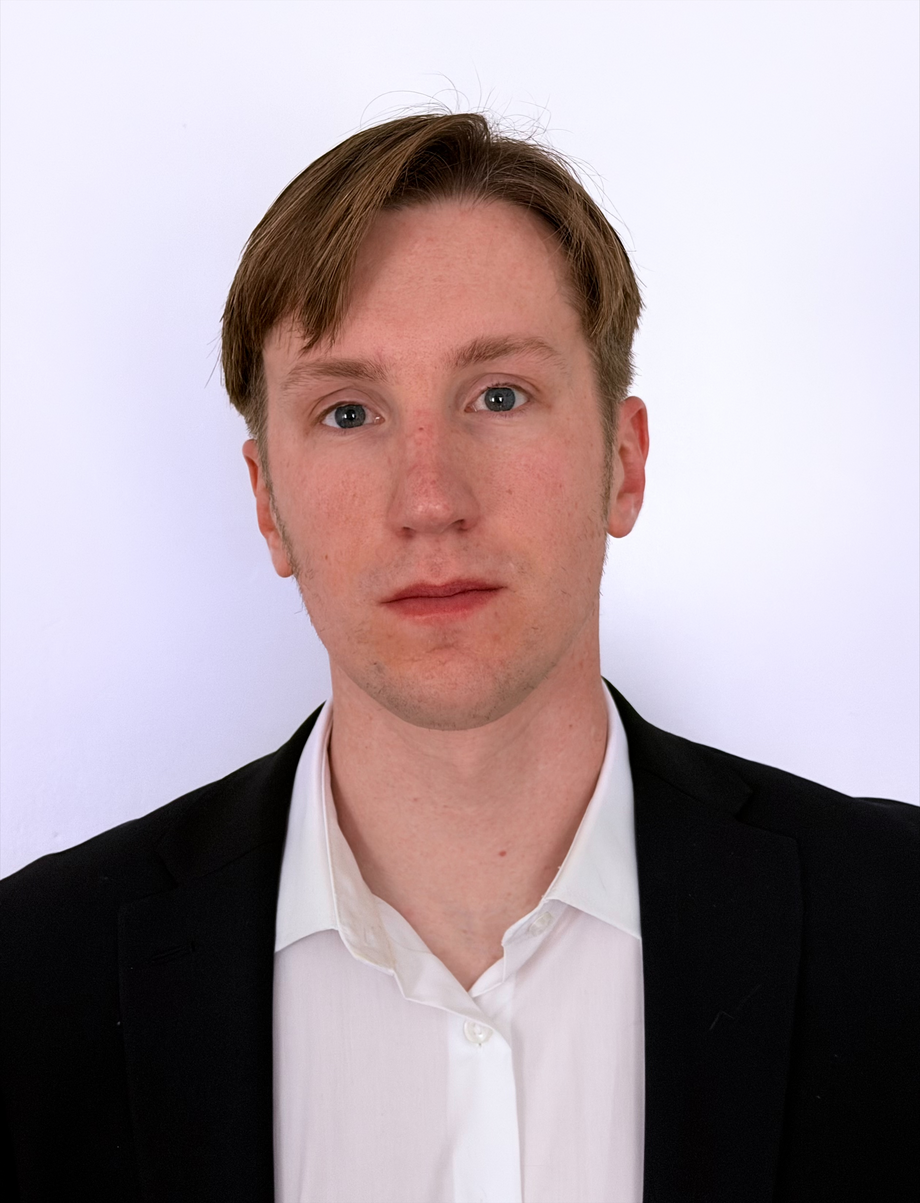
Assistant Professor, Department of Chemistry, Technical University of Denmark
Electrocatalytic routes to carbon-X bonds for a sustainable chemical future
Many essential chemicals, including fertilizers, medicines and materials, are produced using fossil-based processes that contribute to climate change. This project will develop sustainable electrocatalytic routes using renewable electricity to convert simple molecules such as carbon dioxide, nitrogen and sulfur into valuable chemicals. New catalysts combined with fast screening and operando analysis under reaction conditions will accelerate discovery and understanding of carbon-X bond formation. The grant will support two PhD students and one postdoctoral researcher.
Grant: DKK 10.2 million
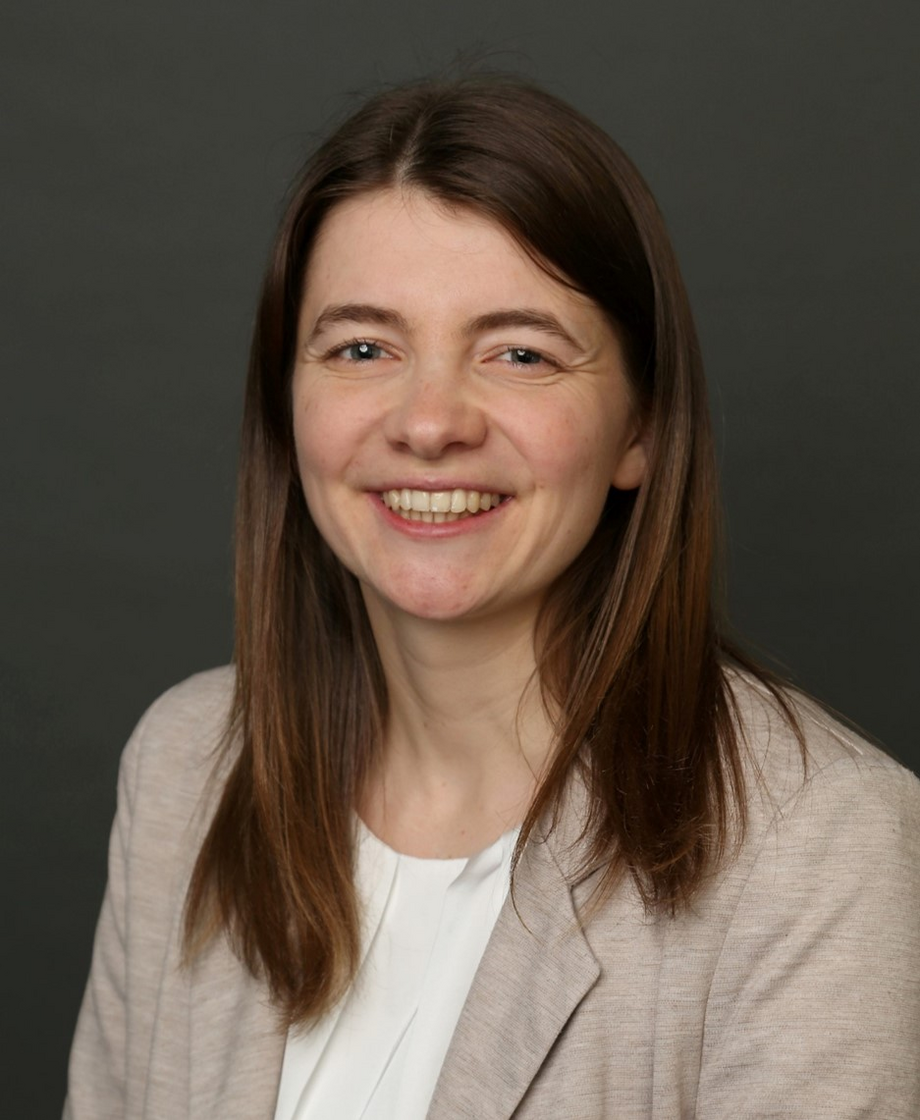
Niels Bohr Institute, University of Copenhagen
Postdoc, Chemistry meets astrophysics: pathways to life-enabling ingredients during planet formation
Understanding how planets become habitable is a key challenge in astrophysics. This project investigates how life-enabling molecules, such as water and organics, form and evolve in planet-forming disks around young stars. By combining cutting-edge astronomical observations with state-of-the-art simulations and chemical models, it aims to reveal how these ingredients are incorporated into forming rocky planets and link these processes to our Solar System and exoplanets. The grant will enable the recruitment of two PhD students and a postdoc.
Grant: DKK 10.2 million
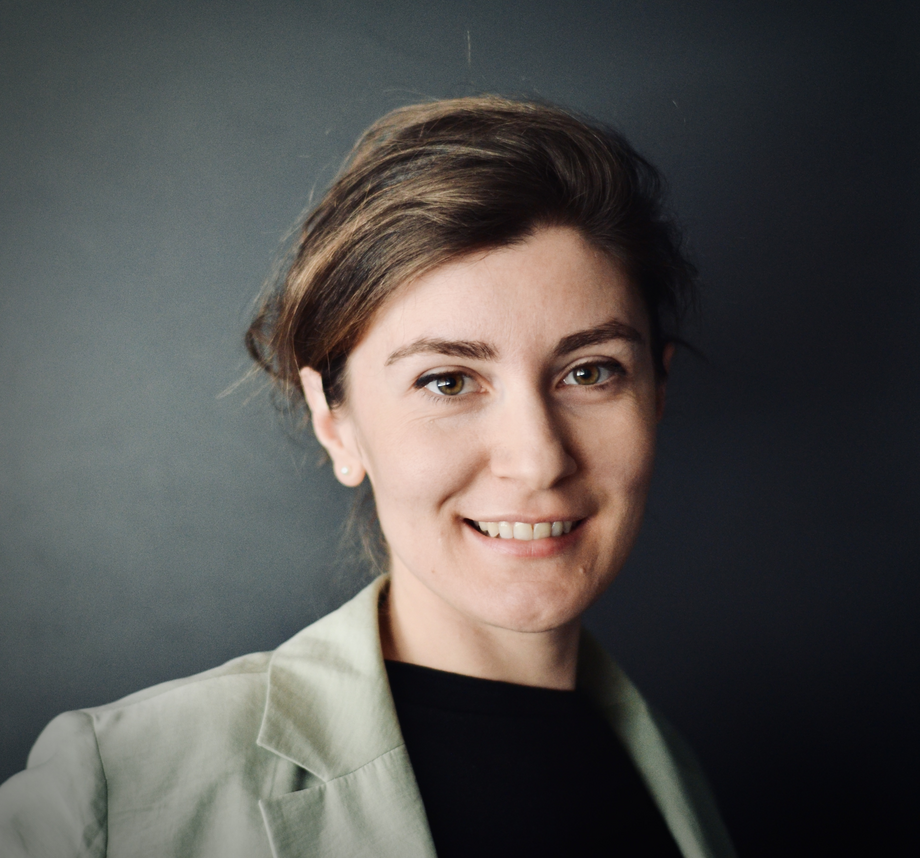
Assistant Professor, DTU Aqua, Technical University of Denmark
Life cycle effects of PFAS on mussel development: Towards realistic predictions of pollution impacts on populations
The “forever chemicals” PFAS are a threat to marine organisms, such as blue mussels, that are vital for healthy coastal ecosystems. Still, we poorly understand how PFAS affect key processes during organisms’ life cycle. To improve this, the current project will study the effects of PFAS on blue mussels across life stages, generations and in three different climate zones, using both laboratory experiments and computer simulations. This work will enable a realistic evaluation and prediction of pollution impacts on the marine environment. The grant will recruit two PhD students and one postdoc.
Grant: DKK 8.2 million
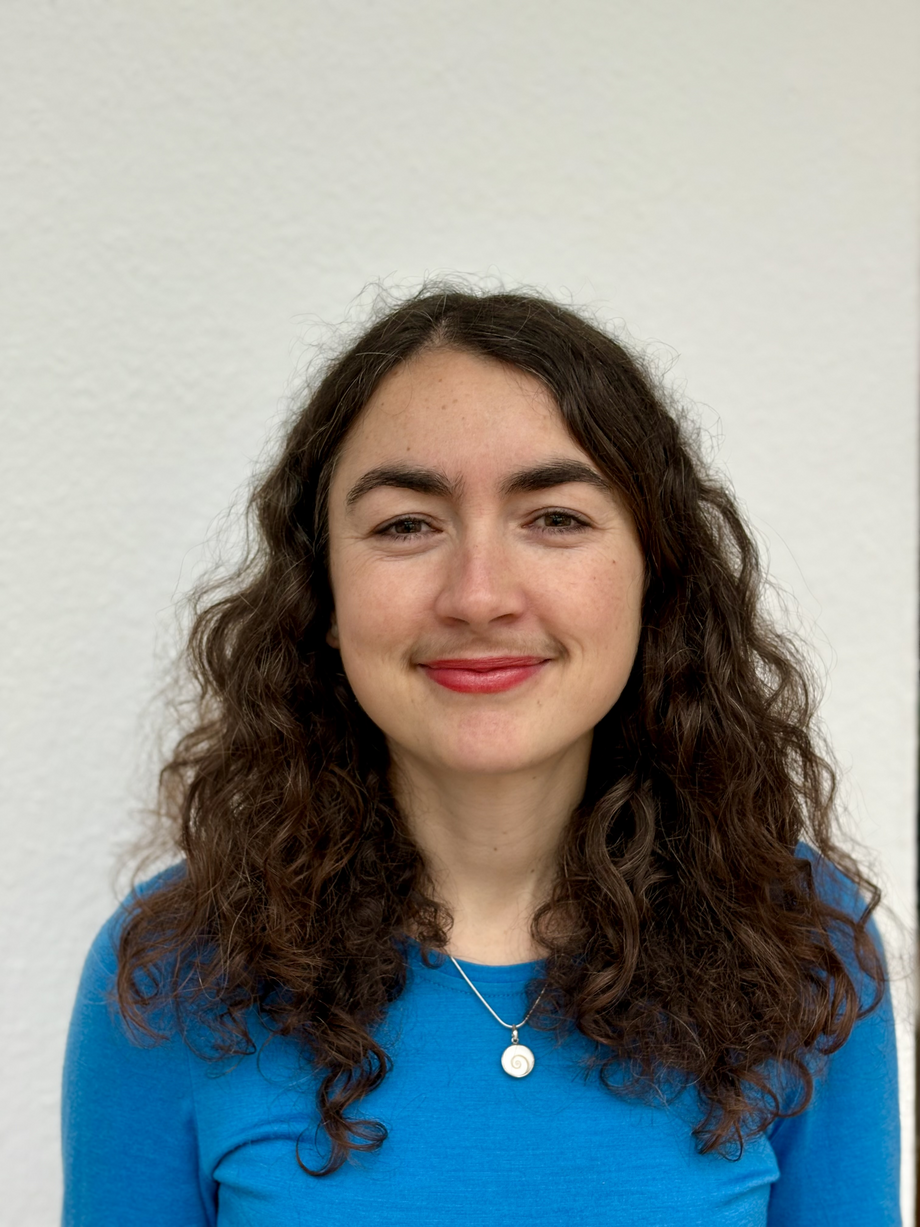
Associate Professor, DTU Compute, Technical University of Denmark
Publicly verifiable zero-knowledge proofs: A practical, powerful leap beyond non-Interactive zero-knowledge
Zero-knowledge (ZK) proofs are cryptographic protocols that allow you to prove that a statement is true without revealing any of the secret information behind it. This project investigates how to balance efficiency and security in publicly verifiable zero-knowledge protocols. It aims to overcome today’s trade-off between fast but potentially weaker ZK protocols and very secure yet impractical ones. The results will support the development of more trustworthy privacy-preserving technologies. The grant will support two PhD students and one postdoc.
Grant: DKK 8.2 million
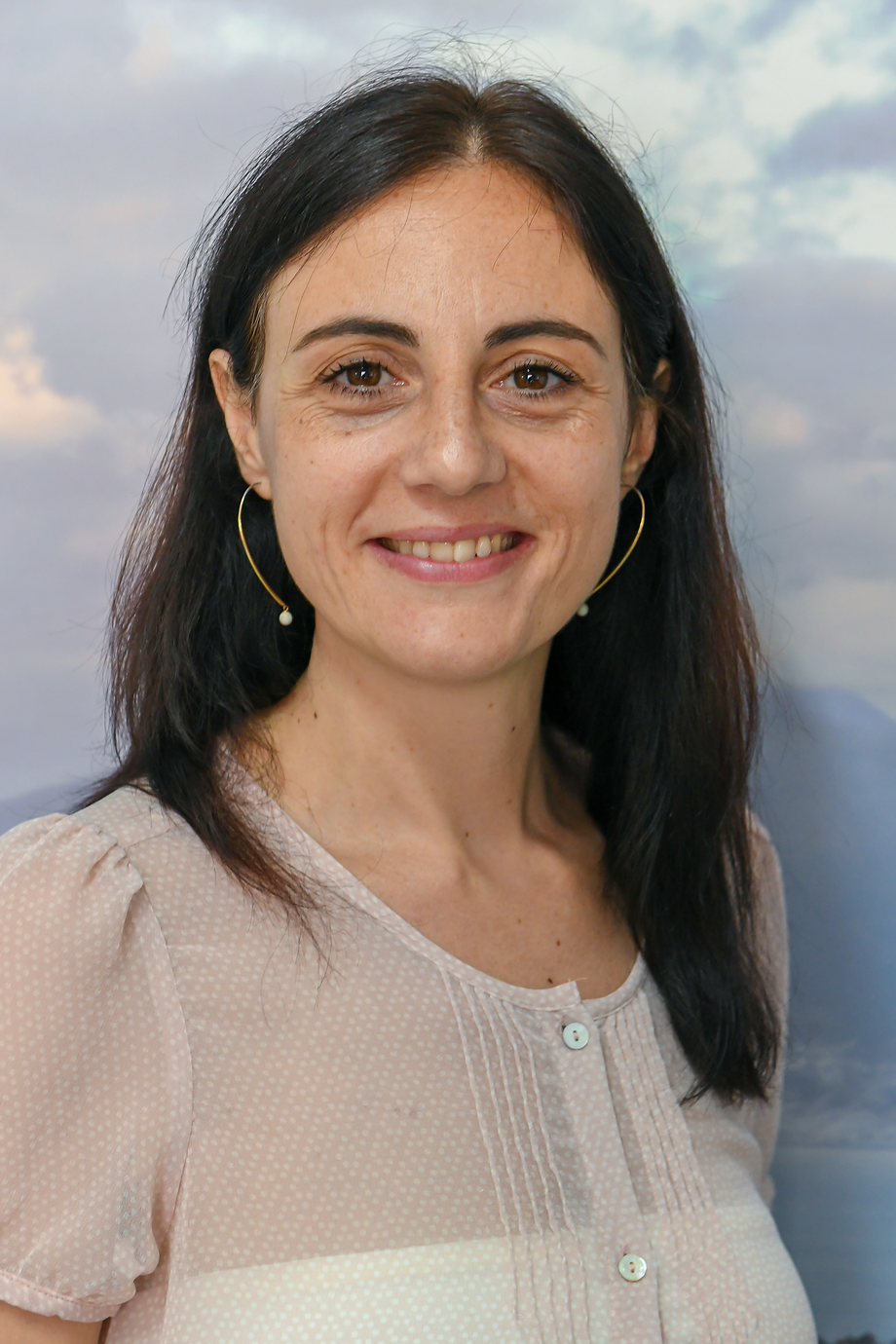
Assistant Professor, Department of Mathematical Sciences, University of Copenhagen
p-Adic invariants in algebraic geometry
Many problems in the sciences can be recast as, or approximated by, seeking solutions to polynomial equations. The goal of this project is to gain new insights into geometric objects defined from such equations by using p-adic invariants, which are derived from fractal-like number systems based on a chosen prime p. We will exploit recent progress in the field to study new properties of these p-adic invariants, give refinements which can capture more information, and use them to analyse and classify geometric objects. The grant will enable us to recruit two PhD students and two postdocs.
Grant: DKK 10.2 million
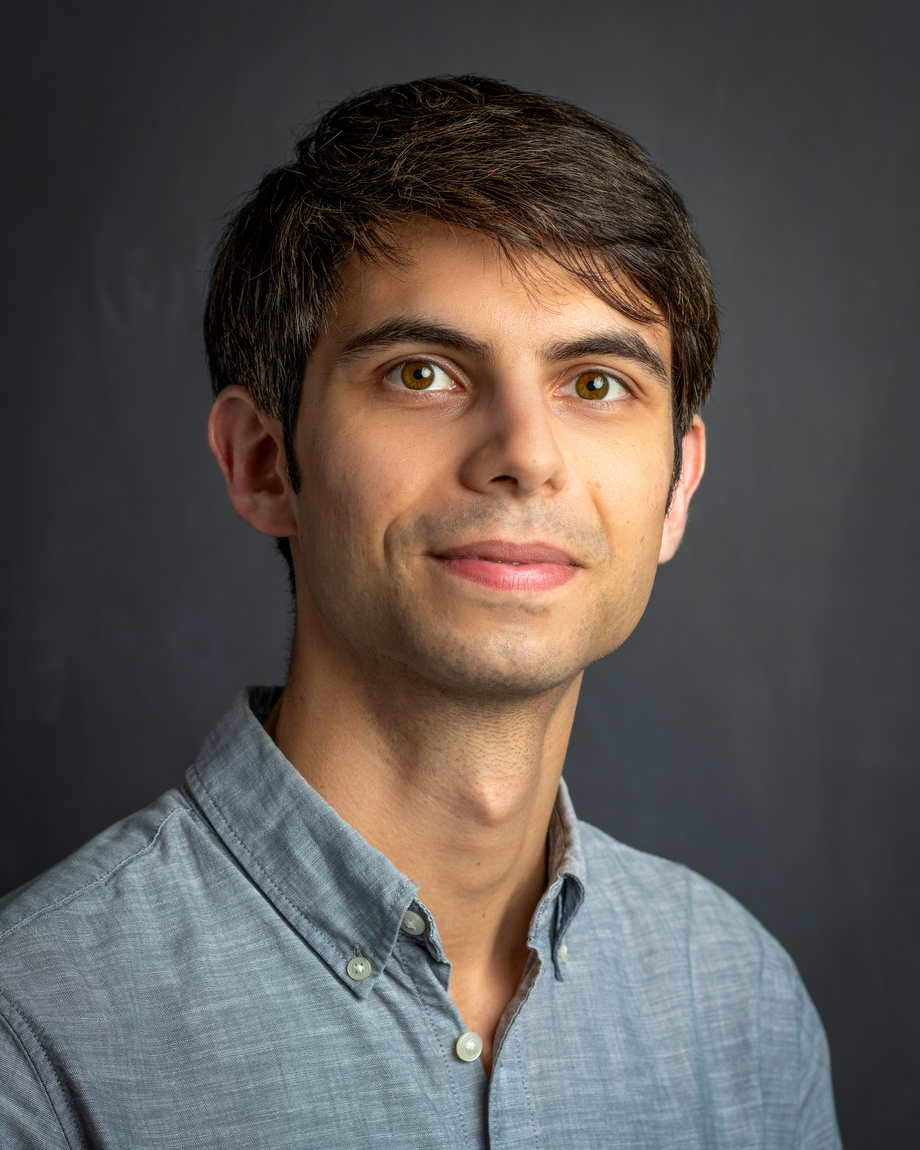
Assistant Professor, Department of Ecoscience, Aarhus University
Exploring freshwater ecotone networks to understand the role of water in pollinator diversity and health
Insects are disappearing worldwide, threatening biodiversity and food security, while weakening ecosystem stability, yet freshwater habitats remain overlooked. This project asks if water is a hidden engine of biodiversity, shaping pollinator diets, microbiomes, and resilience. Using environmental genomics and AI-assisted monitoring, we will uncover mechanisms linking water to pollinator health. The grant enables the recruitment of a PhD and a postdoc.
Grant: DKK 8.1 million
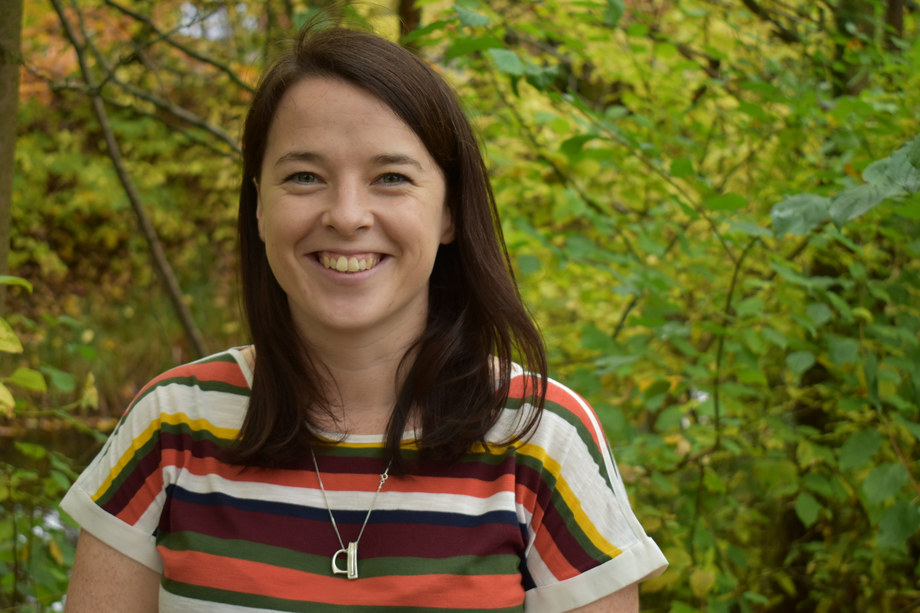
Assistant Professor, Department of Computer Science, Aarhus University
Robustness to noise in machine learning
Machine learning systems increasingly operate on large, noisy datasets, raising questions about their reliability. This project studies robustness from a new perspective, motivated by recent evidence of a two-regime learning behavior in which the impact of noise rapidly diminishes as data grows. We investigate when and why robustness emerges naturally across algorithms and settings, focusing on fundamental statistical and algorithmic principles for scalable and trustworthy machine learning. This grant supports two PhD students and two postdocs.
Grant: DKK 10.2 million
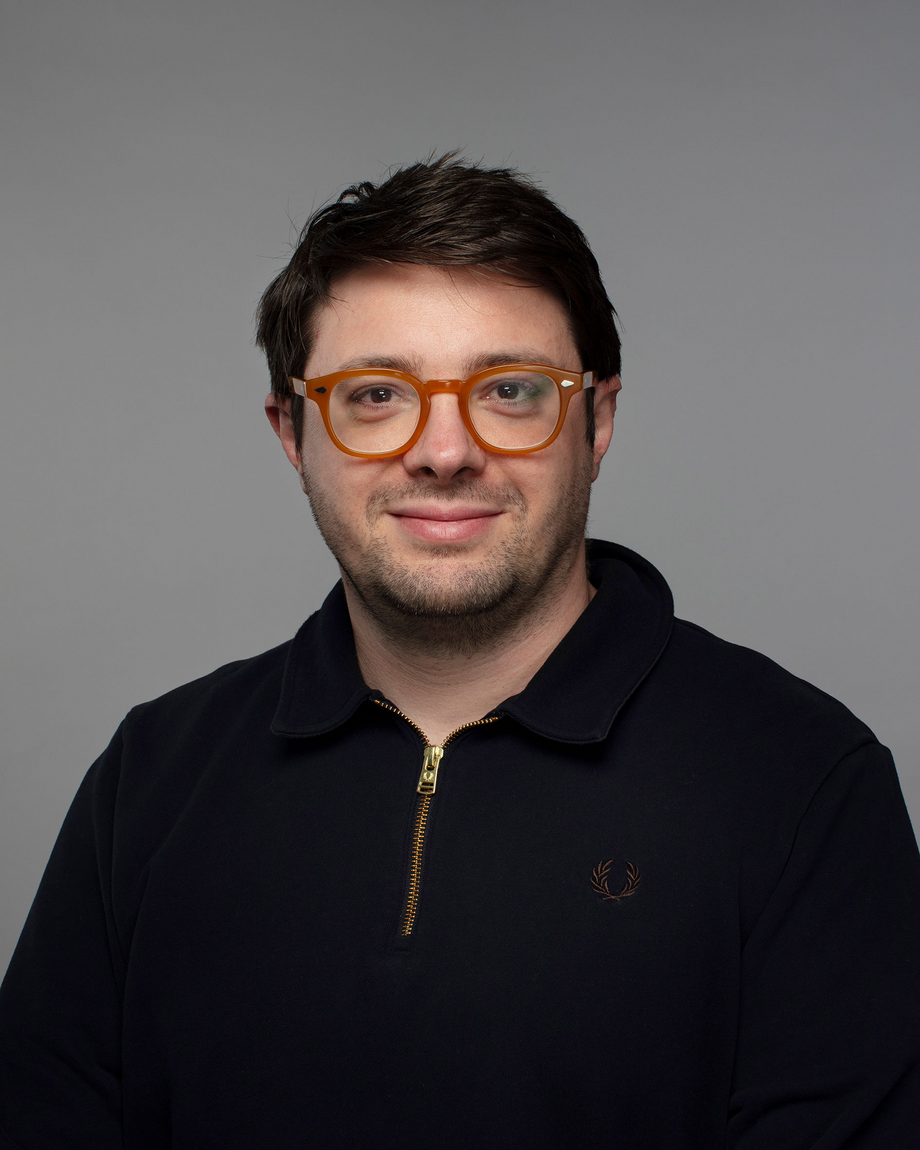
Assistant Professor, Department of Computer Science, Aarhus University
Building secure and scalable cryptocurrencies
Cryptocurrencies secure billions of dollars without centralized control, yet they remain fundamentally limited in scalability and security. Current systems process orders of magnitude fewer transactions than traditional payment networks and cannot adopt post-quantum cryptography. With the support of this grant, building on recent advances in distributed cryptography, the project aims to develop new cryptographic infrastructure to enable scalable, future-proof cryptocurrencies. The grant will support two PhD students and one postdoc.
Grant: DKK 8.2 million
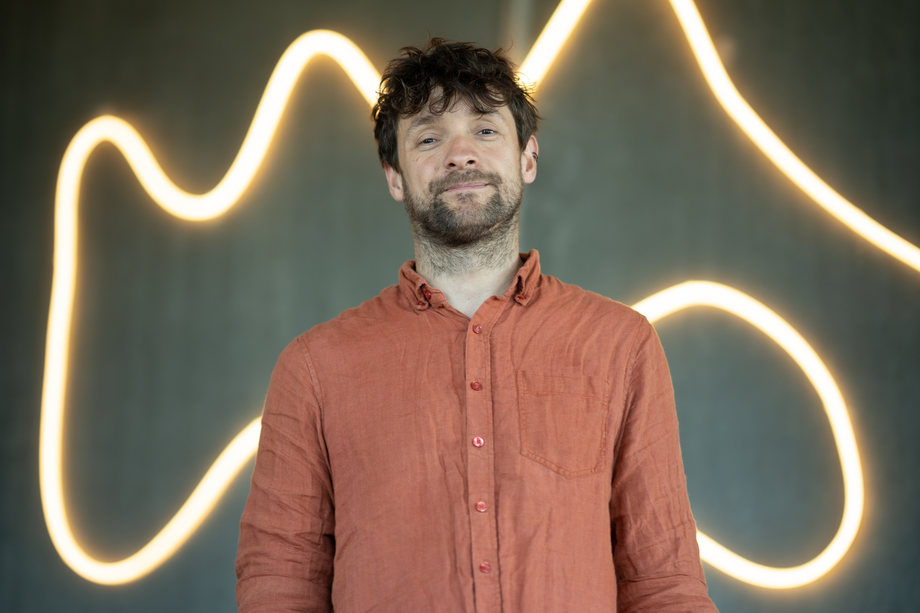
Assistant Professor, Niels Bohr Institute, University of Copenhagen
Circuit quantum electroMagnonics for scalable quantum computing
Time-reversal symmetry breaking is a central concept in modern science and technology, enabling phenomena such as nontrivial phases and directional signal routing. Yet, its implementation in superconducting circuits remains challenging. This project addresses this challenge by developing novel hybrid quantum systems integrating magnetic crystals into superconducting circuits, unlocking new functionalities for scalable superconducting quantum computing. The grant will enable us to recruit two PhD students and one postdoc.
Grant: DKK 10.2 million
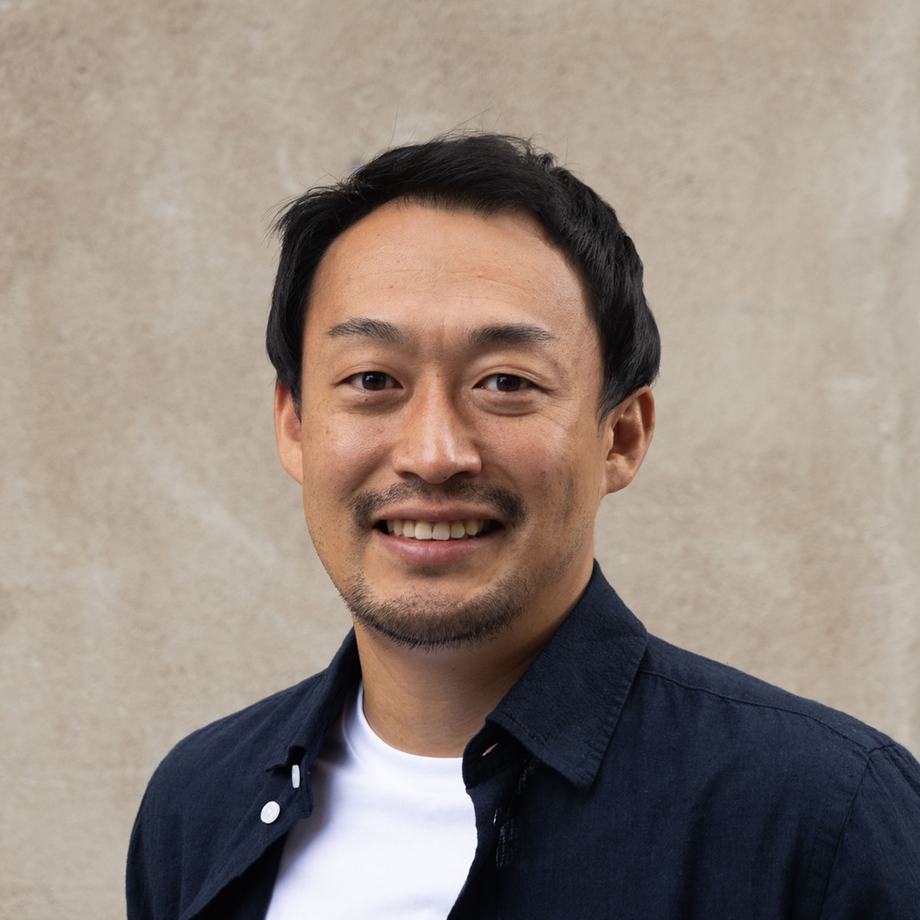
Associate Professor, Department of Mechanical and Production Engineering, Aarhus University
Bridging the turbulence gap: Experimental and computational synergies for unresolved flow regimes
Turbulence affects everything from the accuracy of climate models to the fuel efficiency of our vehicles, yet it remains one of the most complex challenges in fluid dynamics. This project aims to transform how we predict and control turbulent flows by bridging the divide between computer simulations and real-world experiments. By assimilating data from a cutting-edge laser measurement technique, we will close critical gaps in prediction accuracy. This grant supports the training of one PhD student and one postdoc.
Grant: DKK 8 million
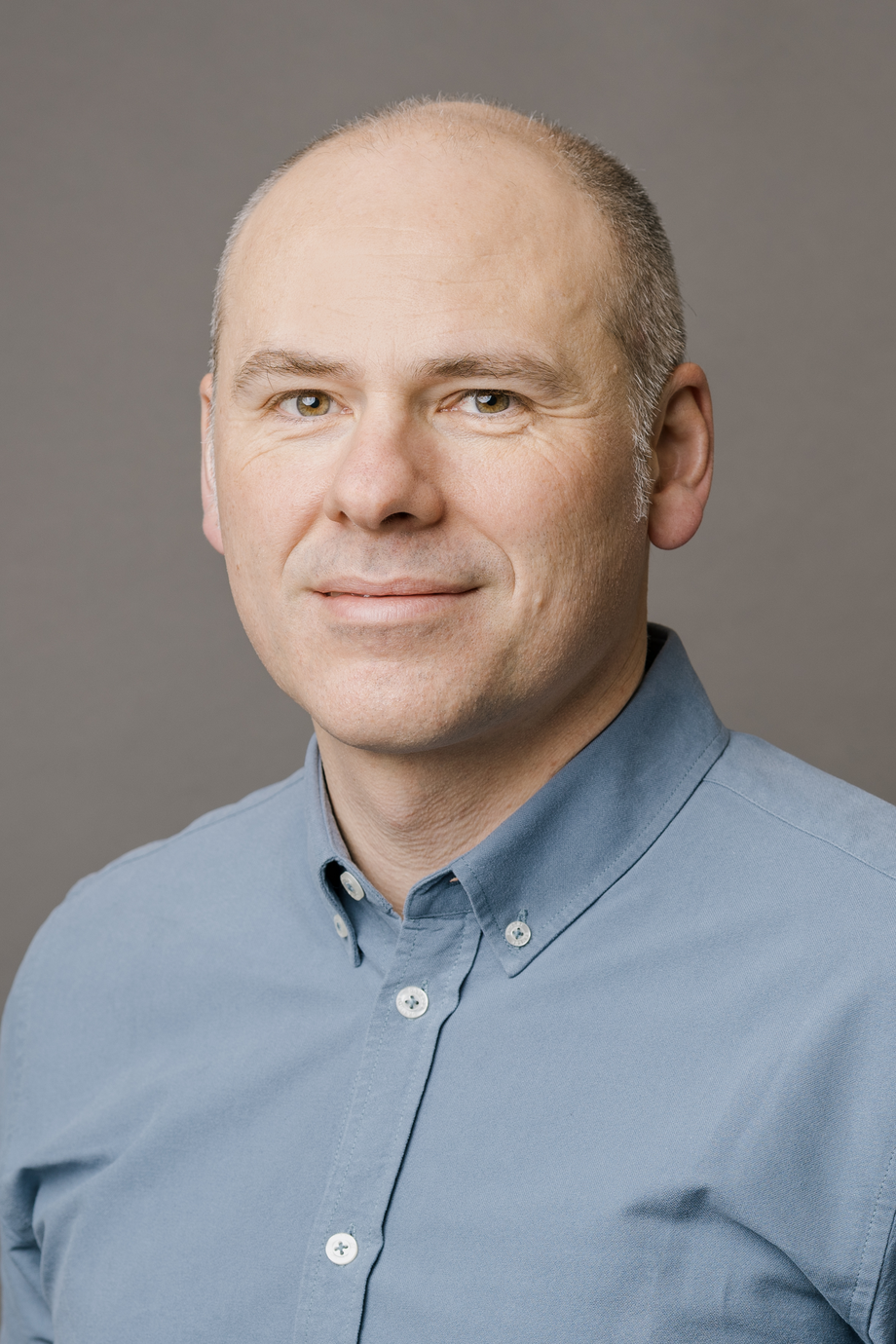
Associate Professor, Department of Green Technology, University of Southern Denmark
Exploring high-resolution resilient critical material supply chains
The EU’s green transition will sharply increase demand for critical raw materials (CRM), threatened by overconcentrated primary supply, host-by-product links, limited recycling, and complex tech-market dynamics. Reliable simulations are essential for managing CRM supply chain risks, but current models underperform. This project aims to develop a dynamic, multi-layer simulation platform to analyze and map shock propagation across material, economic, and technology layers, and to enable resilient supply strategies. The grant will fund one PhD student and two postdocs.
Grant: DKK 8.2 million
Associate Professor, Department of Mathematical Sciences, University of Copenhagen
Variational analysis in the Wasserstein space of stochastic processes
Modern mathematical finance needs tools that remain reliable even when market conditions change. This project develops practical ways to measure and manage this “model uncertainty” using optimal transport for stochastic processes, capturing time-dependent data and cutting computing cost with variational methods in the Wasserstein-distance framework. Results will strengthen robust finance and also aid statistics, machine learning, time-series analysis, and operations research. The grant will enable the recruitment of two PhD students and one postdoc.
Grant: DKK 8.2 million
Associate Professor, DTU Compute, Technical University of Denmark
MELISANDRE: Market equilibria likelihood and safety assessment in AI-driven energy systems
Power systems serve as the foundation of a nation's economy, and electricity markets ensure demand is met at minimum cost. However, market participants are increasingly using AI agents for bidding strategies. Each AI agent tries to maximize its own profits, possibly in ways we didn't anticipate and we don't yet understand whether their interactive learning could lead to unforeseen strategies and detrimental system outcomes. MELISANDRE uses Optimization and Game Theory to investigate how detrimental the market outcome can get and how can we proactively ensure system safety and efficiency. The grant enables the recruitment of two PhD students and one postdoc.
Grant: DKK 8.2 million

Contact