Upper secondary schools aim to strengthen the use of AI in teaching

Today, it is possible for an upper secondary student to graduate with only superficial knowledge and assistance from tools such as ChatGPT. New AI platforms carry risks for both high-achieving and weaker students alike, all of whom may see their learning weakened if AI is used inappropriately. At the same time, AI is a reality that cannot be ignored. For that reason, 29 upper secondary schools have come together to explore how AI can be used in ways that are academically meaningful, secure and supportive of learning, and that benefit all students’ learning and formation.
The project combines in-service training for teachers, the development of concrete teaching programmes, and access to a shared and legally compliant AI solution designed specifically for educational use.
A need for academically grounded solutions
The project addresses an urgent need in the upper secondary sector to work with generative AI in teaching in a professional and responsible manner. This is also why the Villum Foundation has chosen to support the project.
Ole Laursen, Director of Grants at the Villum Foundation, says:
“It is easy to see all the challenges that AI creates in education. That is precisely why we are pleased to support the collaboration of 29 upper secondary schools in developing tools and competencies to apply generative AI in a critical, reflective and pedagogically meaningful way.”
AI as a learning tool
As part of the project, 2,500 teachers will receive training in a basic understanding of AI technology and didactic approaches to the use of generative AI in teaching. They will then apply this knowledge within their own subjects and contribute concrete teaching programmes, which will be quality assured and brought together in a shared library across the participating schools. In total, 25,000 students will benefit from the new teaching programmes.
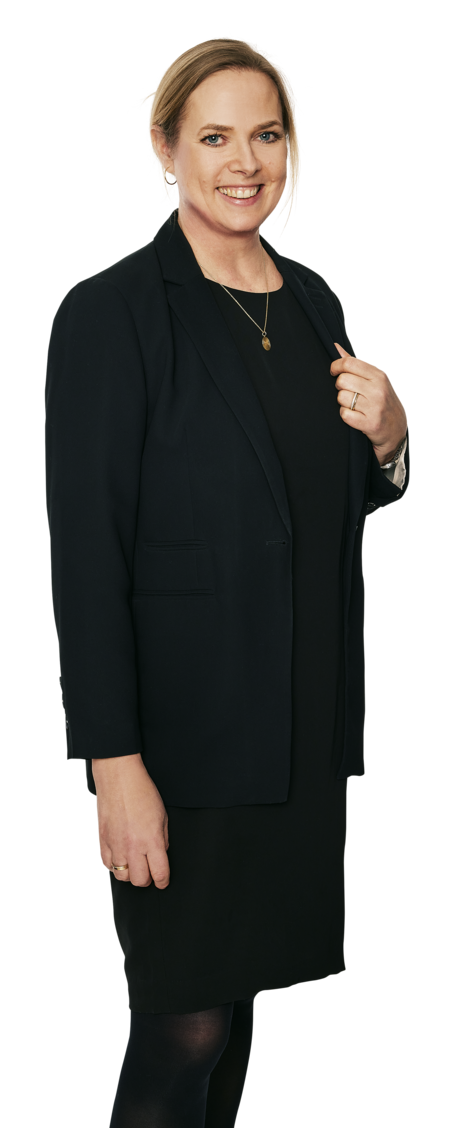
Mette Vedel, Principal of Nørre Gymnasium, says:
“Generative AI is already a reality in upper secondary education, whether or not we as institutions were prepared for it. It is therefore crucial that we, as upper secondary schools, take shared responsibility for building capacity among both teachers and students. Through this project, we are establishing a shared academic, technical and legally compliant foundation that enables us to use AI as an educational learning tool that strengthens subject-specific learning.”
In parallel, both teachers and students will gain access to a shared AI solution that meets current requirements for data security, GDPR and AI regulation. This not only ensures that work with AI takes place in a lawful and responsible manner; it is also a prerequisite for enabling schools to fulfil their educational mandate. Today, students’ opportunities are unequal, as access may depend on private subscriptions or local solutions. A shared solution ensures that all students have equal opportunities to develop the competencies and critical understanding required in a society where AI plays an increasingly prominent role.
Challenges cannot be solved in isolation
The project builds on an existing collaboration between the schools and a shared understanding that the challenges posed by AI cannot be addressed in isolation at individual institutions. Mette Vedel explains:
“With this project, we are building capacity together to avoid having to reinvent the same solution 29 times. By developing materials and technical infrastructure for the responsible use of generative AI collectively, we can anchor the work within a shared framework for upper secondary schools while also sharing experiences widely across the sector.”
When the project period ends, both the teaching materials and the technical solution will be continued within the shared framework of the upper secondary schools.
Ole Laursen adds:
- Grant from the Villum Foundation: DKK 9 million
- Participating upper secondary schools:
Zealand (24): Allerød, Aurehøj, Borupgaard, Espergærde, Egedal, Frederiksborg, Frederiksværk, Gefion, Gentofte HF, Gl. Hellerup, Gladsaxe, Greve, Helsingør, Himmelev, Køge, Nørre Gymnasium, Roskilde Katedralskole, Roskilde Gymnasium, Rungsted, Rysensteen, Solrød, Tårnby, Virum and Ørestad Gymnasium
Funen (5): Nordfyn, Nyborg, Sct. Knuds Gymnasium, Odense Katedralskole and Vestfyns Gymnasium

Contact